The butter was already browning.
I forgot to take the chicken livers out of the fridge first. So they hit the pan cold and the butter started to darken while the livers sat there, pale and stubborn. Not ideal. But I wasn’t starting over.
My husband walked through the kitchen, sniffed, and said nothing. That’s the kind of honesty I trust.
Why Bother Making Pâté?
It sounds like something you serve at a dinner party you don’t want to host. But pâté is just blended liver. That’s it. And it keeps in the fridge for a week, which means you get to eat it on toast while standing over the sink on a Wednesday. Worth it.
Fun fact: Chicken livers are one of the most nutrient-dense foods you can eat. High in iron, vitamin A, and B12. You’re basically eating a multivitamin with a splash of cognac. That’s a win.
About the Cognac.
I used what I had. It wasn’t expensive cognac. It was the bottle someone brought over two years ago that nobody wanted to drink straight. You can use brandy. Or sherry. Or even a dry white wine if you’re in a pinch. But use something you’d actually sip. Bad alcohol makes bad pâté. I once tried it with cooking sherry. It tasted like regret. Don’t do that.
The alcohol cooks off mostly, but the flavor stays. So pick something decent. Not fancy. Decent.
The Eggs Are the Hard Part.
Wait. There are no eggs in this recipe. That was a different pâté I made last month and it was a disaster. This one is simpler. No eggs. No water bath. No anxiety about whether it’s set. You just blend it and chill it. That’s the whole thing.
I made that other version for my mom’s birthday. It came out grainy. She said it was fine. It was not fine. This recipe? It’s smooth. Every time.
Don’t Overcook the Livers.
This is the only part that matters. You want the outside browned and the inside still slightly pink. Not raw. Not dry. If you cook them all the way through, the pâté will be crumbly and taste metallic. I’ve made worse.
Quick tip: Cut one open after the first side is done. If it’s still dark red inside, give it another minute. If it’s pale pink, pull it off. Trust your eyes, not the timer.
How to Make It
Step 1: Pat the chicken livers dry with paper towels. Season them with salt and pepper. If they’re wet, they’ll steam instead of brown. I learned this after a sad, gray batch.
Step 2: Melt 2 tablespoons of butter in a skillet over medium-high heat. I used a cast iron pan. Nonstick works too, but you won’t get as many browned bits on the bottom. And those bits are flavor.
Step 3: Cook the livers for 3–4 minutes per side. They should be browned on the outside but still soft when you press them. Remove them to a plate. Don’t clean the pan.
Step 4: Add the remaining 2 tablespoons of butter to the same pan. Sauté the shallot and garlic for about 2 minutes. They should soften and smell sweet, not burned. If the pan is too hot, turn it down. I burned the garlic once. Took the whole batch down.
Step 5: Pour in the cognac and scrape up the browned bits with a wooden spoon. Let it bubble for 1 minute. This is the deglazing step. It smells incredible. Stand over it and inhale.
Step 6: Add the fresh thyme and cook for 30 seconds. Then return the livers to the pan. Cook for 2 more minutes. (Don’t skip this — it lets the flavors meld.)
Step 7: Transfer everything to a food processor. Let it cool for 5 minutes. Hot livers and cream don’t blend well — the cream can curdle. I found that out the hard way.
Step 8: Add the heavy cream, Dijon mustard, and a pinch of nutmeg. Pulse until smooth. Scrape down the sides. Pulse again. It should look like a thick, silky paste.
Step 9: Taste it and add more salt or pepper if needed. The flavor will be a bit muted when cold, so season it slightly more than you think. Honestly? I always underseason at this step. Every time.
Step 10: Press the pâté into a ramekin or small dish. Smooth the top with a spatula. Melt 2 tablespoons of butter and pour it over the surface. This seals it and keeps it from oxidizing and turning gray. It also tastes delicious.
Step 11: Refrigerate for at least 4 hours, but overnight is better. The flavors deepen. The texture sets. Patience pays off here.
What was the hardest step for you when making pâté? Share below!
Ways to Change It Up
Try this: Swap the cognac for bourbon or whiskey. It adds a smoky, sweeter note. I did this once with a bottle of rye and it was nearly too good.
Try this: Add a tablespoon of capers or chopped cornichons to the food processor. It adds little bursts of acidity that cut through the richness. My daughter pushed it around her plate, but my friend ate three helpings.
Try this: Use fresh rosemary instead of thyme. Or tarragon. Tarragon is weirdly good with liver. Don’t ask me why. Just try it.
Which would you go for? Drop it in the comments.
How to Serve It
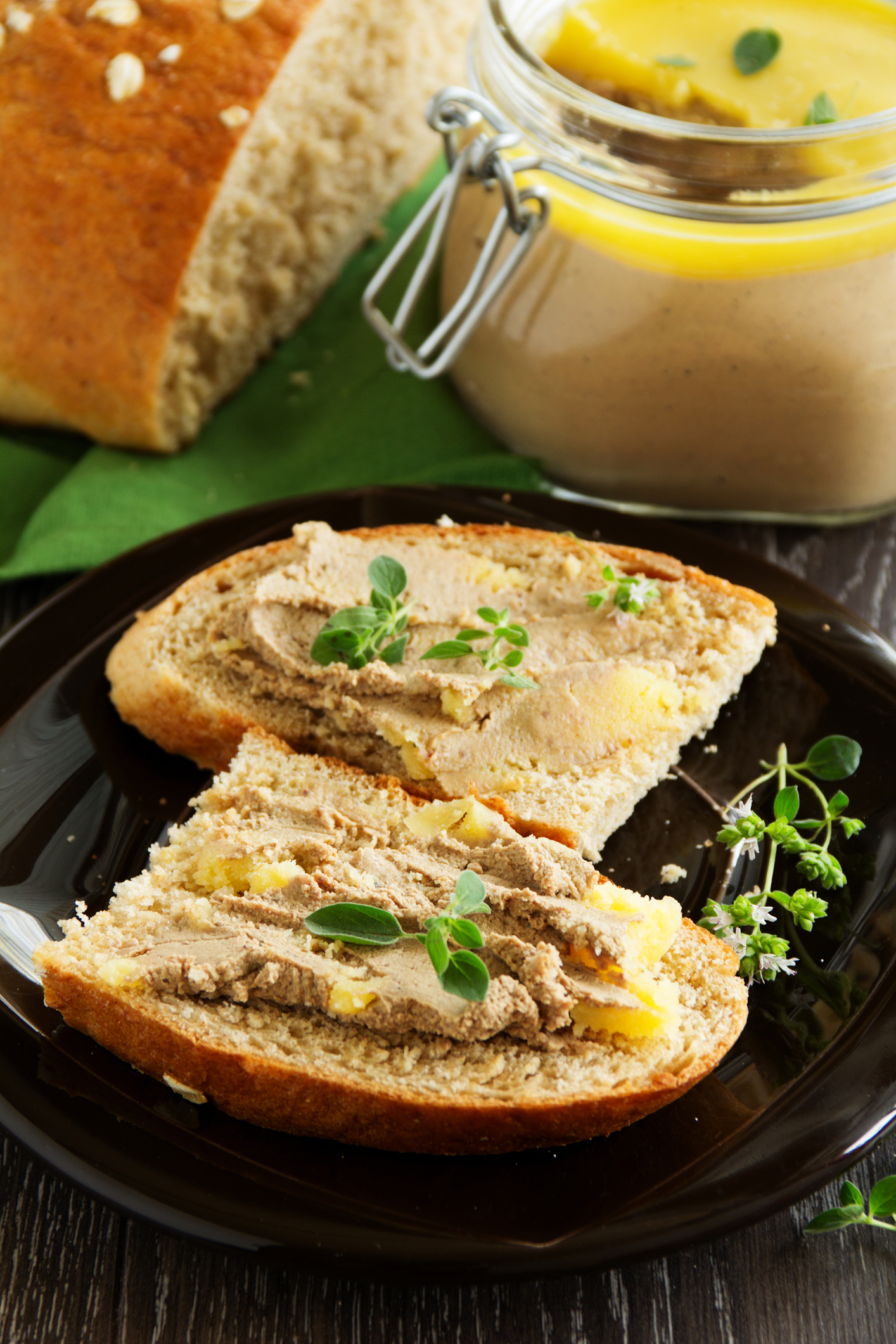
Spread it on crusty bread. That’s the obvious one. But also: use it in place of butter on a sandwich. Or with crisp apple slices. Or on a warm crostini with a dab of fig jam.
I served it once on baguette slices with a sprinkle of flaky salt and fresh parsley. My neighbor, who hates organ meat, ate three. She didn’t believe me when I told her what it was. That was satisfying.
What would you pair it with?

Storing It Without Ruining It
Keep it in the fridge, sealed with the butter layer, for up to 1 week. Don’t leave it out for more than 2 hours. The butter seal is important — if it cracks, the pâté will dry out and oxidize. I once forgot to seal it. It turned an unappetizing gray. Still tasted fine, but nobody wanted to try it.
You can freeze it for up to 3 months. Wrap the entire ramekin in plastic wrap, then foil. Thaw overnight in the fridge. The texture stays surprisingly smooth. Just stir it before serving.
Have you ever saved leftovers like this? Tell me below!
Mistakes I Made So You Don’t Have To
I once used a blender instead of a food processor. The pâté turned into a foamy mess. Don’t do that. A food processor gives you control. A blender aerates it and makes it weird.
I once forgot the Dijon mustard. The pâté was flat. Lifeless. Mustard adds a tiny bit of acidity and depth that makes liver taste like more than just liver. You don’t taste it directly, but you miss it when it’s gone.
I once undercooked the shallot — it was almost raw. Big mistake. Raw shallot has a sharp, bitter bite that doesn’t mellow during chilling. Cook your aromatics until they’re soft and sweet. It makes a difference.
Did something like this happen to you?
Can I Fix It If It’s Too Salty?
Can I fix it if it’s too salty? Yes. Add a splash of cream and pulse again. It dilutes the salt and improves the texture. I did this last month. Saved the batch.
Can I use frozen livers? Yes. Thaw them in the fridge overnight, then pat them very dry. Frozen livers release more water. I tried this once and they took 2 extra minutes to brown. It worked but wasn’t ideal.
How long does it really need to chill? 4 hours minimum. But 8 is better. Overnight is best. The texture firms up and the flavor rounds out. I’ve served it after 3 hours. It was passable. Not great.
Can I make it dairy-free? Yes. Use olive oil instead of butter for cooking and a dairy-free cream alternative. The texture will be slightly looser and the flavor less rich. But it works. I did it for a friend once. She ate it. No complaints.
What if I don’t have cognac? Use brandy, whiskey, sherry, or even a splash of dry white wine. The alcohol cooks off. The flavor changes but stays good. I used sherry once and it added a nutty note I liked.
Is it safe to eat if the livers are slightly pink? Yes, as long as they’re cooked to 165°F internally. Chicken livers are safe at that temperature even if they look pink inside. I check with a thermometer. It’s the only way to be sure.
Which answer helped you most?
One Last Thing
I made this pâté on a Sunday afternoon when I had nothing else to do. It was raining. I was tired. But the process is short enough that it didn’t feel like work.
The livers seared in the pan, the cognac hissed, the thyme smelled like something I couldn’t name. It was quiet and good.
By Tuesday, I was eating it on toast at 10pm. Standing over the sink. No one saw. It was exactly what I needed.
Will you make this soon?
Happy cooking! —Danielle Monroe
Fun fact: Chicken livers are one of the best natural sources of heme iron, which is the type your body absorbs most easily. So this pâté isn’t just delicious — it’s helping you stay healthy.
Silky Homemade Chicken Liver Pate with Cognac
Ingredients
- 1 lb fresh chicken livers, cleaned
- 4 tbsp butter, divided
- 1 medium shallot, minced
- 2 cloves garlic, minced
- 1/4 cup cognac or brandy
- 1/4 cup heavy cream
- 2 tbsp fresh thyme leaves
- 1 tsp Dijon mustard
- Salt and black pepper to taste
- Pinch of nutmeg
- 2 tbsp butter for sealing
- Fresh parsley for garnish
Instructions
- 1Pat chicken livers dry with paper towels and season with salt and pepper.
- 2Melt 2 tbsp butter in a skillet over medium-high heat.
- 3Cook livers 3-4 minutes per side until browned outside but still slightly pink inside. Remove and set aside.
- 4In the same skillet, melt remaining 2 tbsp butter and sauté shallot and garlic for 2 minutes until fragrant.
- 5Add cognac and deglaze the pan, scraping up browned bits. Cook 1 minute.
- 6Add thyme and cook 30 seconds.
- 7Return livers to skillet and cook 2 more minutes.
- 8Transfer mixture to a food processor. Cool slightly.
- 9Add heavy cream, mustard, and nutmeg. Pulse until smooth and creamy.
- 10Season with additional salt and pepper to taste.
- 11Press pâté into a serving ramekin or terrine.
- 12Melt 2 tbsp butter and pour over top to seal.
- 13Refrigerate at least 4 hours or overnight.
- 14Serve with crusty bread, crackers, or crostini.
Notes
See full recipe for nutritional information.