The butter was already browning when I pulled the salmon out of the fridge. The smoke alarm didn’t go off this time, which is unusual.
I’ve made this dish maybe a dozen times now. Each time, something different threatens to ruin it.
This time, the cream almost split. I caught it. Barely.
Why Salmon Steaks Instead of Fillets
Fillets are the standard. They’re easy, they cook fast, they’re everywhere.
But salmon steaks? They’re a different animal. Thicker. More bone. More fat. More flavor.
The center bone keeps the meat moist while it grills. It acts like a heat sink. Without it, the thin parts of a steak overcook before the thick parts are done.
I learned that the hard way. Burned the outside, raw inside. My husband ate it. Said nothing.
That’s the test. If he says nothing, I know I missed.
The Dill Problem
Dill divides people. Strong opinions. My daughter pushed it around her plate the first time I made this.
She said it tasted like “pickles mixed with fish.” Not wrong, if you use too much.
I dialed it back. Used half the dried dill. Added fresh at the end instead.
The fresh stuff is milder. Less aggressive. It gives the cream sauce a grassy note without yelling about it.
Quick tip: Fresh dill goes in at the very end. Dried dill goes on the fish before grilling. Not the other way around.
I swapped them once. Ended up with burnt dill flakes on the grill and raw dill flavor in the sauce. Not good.
Grill Temperature Is Not Optional
Medium-high heat. 400°F. That’s the number.
If your grill runs hot like mine, you need to watch it. I once left it on high and the outside charred in three minutes.
The inside was still cold.
You can’t fix that. You can only start over. I’ve made worse.
The solution is simple: use a grill thermometer. Or hold your hand over the grates. If you can’t keep it there for five seconds, it’s too hot.
I also brush the grates with oil before heating. Not after. After, it just burns off and smokes.
That smoke alarm story? It’s from the after-oiling method. Never again.
About the Sauce
The sauce is where things get tricky.
It’s a cream sauce. Heavy cream, white wine, lemon juice, Dijon mustard. Simple on paper.
But cream sauces are sensitive. They split if you look at them wrong.
The trick is to simmer the wine and lemon juice first. Let it reduce. That concentrates the flavor and cooks off some of the acid.
Then add the cream. Low heat. Stir constantly.
If you dump the cream in with the raw wine and lemon juice, the acid can instantly curdle it. I’ve ruined three batches that way.
Honestly? Not that deep. But it’s annoying when you’re hungry.
The Dijon mustard acts as an emulsifier. It helps keep everything together. I add it with the cream, not before.
The Flip Factor
Salmon steaks stick. It’s a fact.
You flip them too early, they tear. You leave them too long, they burn.
The window is narrow. About 8 to 10 minutes per side, depending on thickness.
But thickness varies. Those steaks are never uniform. I’ve had one side be an inch and the other side be two inches.
I check for doneness by pressing the center. If it’s firm with a little give, it’s close. If it’s hard, it’s over.
Also, the internal temp should hit 145°F. I use a thermometer every time. Not because I’m fancy. Because I’ve messed it up enough.
Quick tip: Let the steaks rest for 2 minutes after grilling. The carryover heat will finish the cooking. If you pull them at 145°F, they’ll hit 150°F on the plate.
How to Make It
Step 1: Preheat your grill to medium-high heat, about 400°F. Brush the grates with oil. I use a paper towel soaked in vegetable oil and tongs. Be careful not to burn yourself.
Step 2: Pat the salmon steaks dry with paper towels. This is not optional. Wet fish steams, not grills. Brush both sides with olive oil.
Step 3: Season both sides with salt, pepper, garlic powder, and dried dill. Don’t be shy. The grill will burn off some of the seasoning. (I learned this after a bland batch).
Step 4: Place the salmon on the grill. close the lid. Cook for 8-10 minutes. Do not touch it. Do not peek. The lid keeps the heat consistent.
Step 5: Flip once. Cook another 8-10 minutes. Check internal temperature. 145°F is your number. If it’s not there, give it 2 more minutes and check again.
Step 6: While the salmon cooks, start the sauce. Melt butter in a saucepan over medium heat. Add minced garlic. Sauté for exactly 1 minute. Not 45 seconds. Not 90 seconds. The garlic should be fragrant but not brown.
Step 7: Pour in the white wine and lemon juice. Simmer for 2 minutes. The liquid should reduce slightly. If it doesn’t, your heat is too low.
Step 8: Reduce the heat to low. Stir in heavy cream, Dijon mustard, and paprika. Mix until smooth. Don’t rush this. The mustard needs time to incorporate fully.
Step 9: Simmer the sauce on low for 3-4 minutes, stirring occasionally. It will thicken as it cooks. Don’t let it boil. Boiling will split the cream.
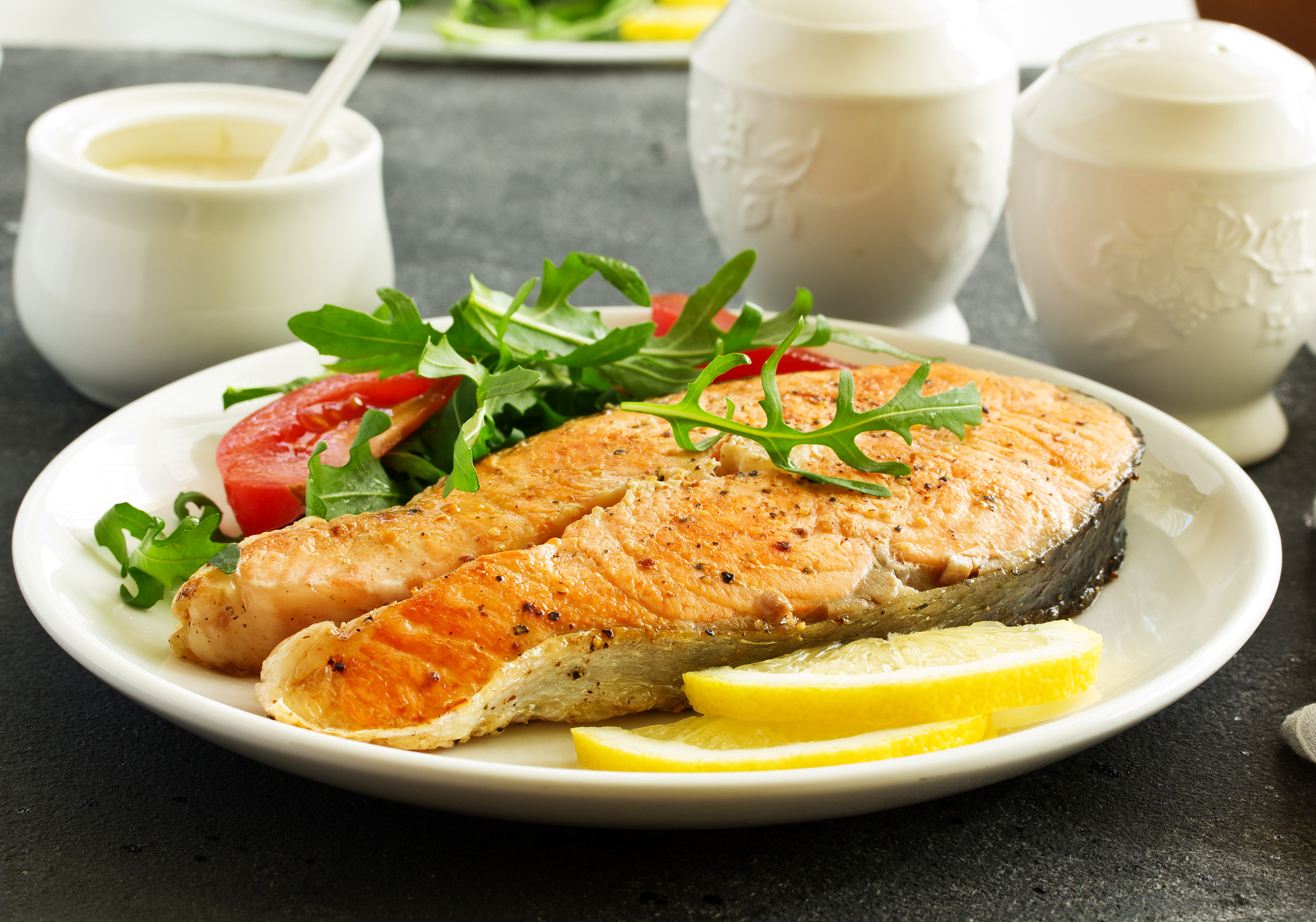
Step 10: Season the sauce with salt and pepper to taste. Then pour it over the grilled salmon. Garnish with fresh dill and lemon wedges. Serve immediately.
Have you ever tried grilling salmon steaks? What’s your go-to method? Share below!
Ways to Change It Up
Try this: Swap the heavy cream for half-and-half and add a tablespoon of cream cheese. It’s lighter but still rich. The cream cheese prevents curdling.
Try this: Replace the white wine with chicken broth and add a splash of apple cider vinegar. The vinegar provides the acid without the alcohol. Works well for weeknights when you don’t want to open a bottle.
Try this: Use smoked paprika instead of sweet paprika. It adds a deeper, earthier flavor. I’ve done this for cold-weather dinners. It works.
Which would you go for? Drop it in the comments.How to Serve It
Pair it with roasted asparagus. The charred flavor matches the grilled fish. I toss the asparagus in olive oil and salt, then roast at 400°F for 12 minutes.
Mashed potatoes also work. The cream sauce soaks into them. Use Yukon Golds for the best texture.
Or go simple: a green salad with lemon vinaigrette. The acidity cuts through the richness of the sauce.
What would you pair it with?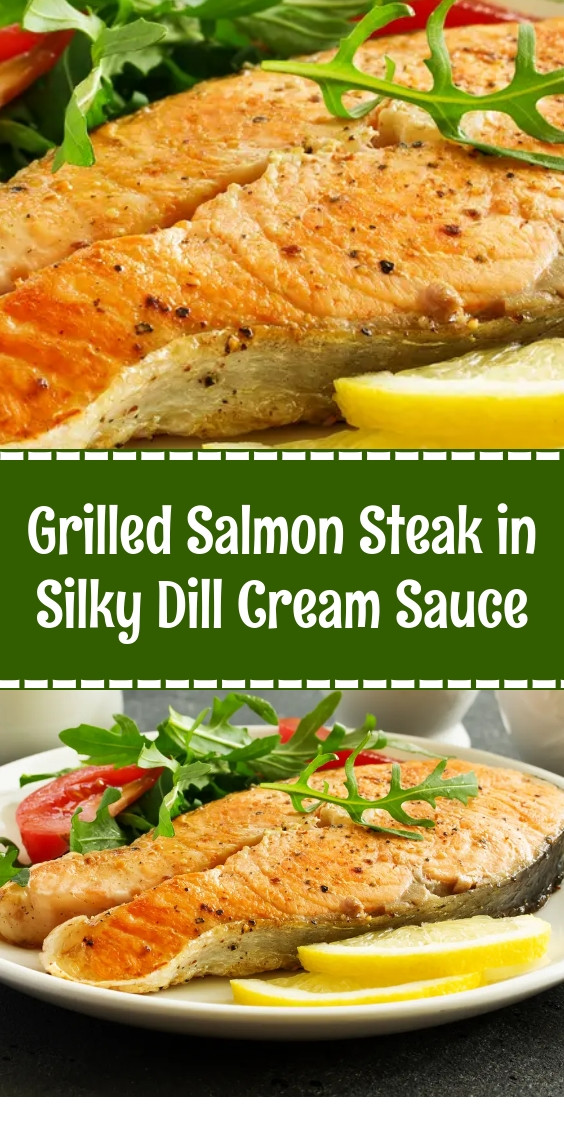
Storing It Without Ruining It
Store leftovers in an airtight container in the fridge. They last up to three days.
Reheat gently. Microwave on low power, 50% for 2 minutes, then check. The cream sauce will split if you blast it on high.
Or reheat on the stovetop. Add a splash of milk or cream to loosen the sauce. Warm over low heat, stirring constantly.
Freezing is possible. But the texture will change. The fish gets flaky in an odd way, and the sauce may separate. I’ve done it once. It was fine, but not great.
Have you ever saved leftovers like this? Tell me below!Mistakes I Made So You Don’t Have To
Mistake 1: I used low-fat cream instead of heavy cream. It curdled instantly. The sauce looked like scrambled eggs in liquid. Not salvageable. Heavy cream only.
Mistake 2: I once didn’t pat the salmon dry. The steaks released so much moisture that they steamed instead of grilled. The skin was rubbery. The flesh was soggy. Dry them thoroughly.
Mistake 3: I added the dill to the sauce at the same time as the cream. The dried dill didn’t have time to rehydrate. It stayed gritty and crunchy. Dried dill goes on the fish. Fresh dill goes in the sauce. End of story.
Did something like this happen to you?Can I Use Frozen Salmon Steaks?
Yes. Thaw them completely in the fridge overnight. Pat them very dry before seasoning.
Frozen salmon releases more water. That water will steam the fish if you don’t dry it thoroughly. I learned this the hard way. Waterlogged salmon tastes bland.
Can I Use a Stovetop Grill Pan?
Yes. Heat it over medium-high heat for 5 minutes before adding the fish. Brush the pan with oil.
The pan won’t get as hot as an outdoor grill. So expect a slightly lighter char. But it works.
I did this once in the dead of winter. It was fine. Not amazing, but fine.
What If I Don’t Have White Wine?
Substitute chicken broth or vegetable broth. Add 1 teaspoon of lemon juice or white wine vinegar for acidity.
But the sauce will be less complex. The wine adds depth that broth alone can’t replicate.
If you have dry vermouth, use that. It’s shelf-stable and works like white wine in sauces.
Can I Make the Sauce Ahead of Time?
Yes, but reheat gently. Add a splash of milk to thin it out.
I’ve made the sauce a day ahead and reheated it. It was fine. But the fresh dill lost some of its punch. Add fresh dill just before serving.
How Do I Know When the Salmon Is Done?
Use a thermometer. 145°F internal temperature.
No thermometer? Press the center. It should feel firm but with a slight give. If it’s hard, it’s over.
I’ve been cooking salmon for years and I still can’t eyeball it perfectly. Thermometer every time.
What If the Sauce Splits?
Take it off the heat immediately. Whisk in a splash of cold cream or a tablespoon of cold butter.
This has saved two of my batches. Not all. But two. The third time, I just poured it over the fish anyway. It tasted fine. It just looked ugly.
Which answer helped you most?Final Thoughts
This dish is not complicated. But it demands attention.
The grill temperature. The cream sauce. The timing of the flip. Each step matters.
I’ve made it a dozen times and I still find new ways to screw it up. That’s cooking.
But when it works, it works. The charred edges of the salmon. The silky sauce. The bright dill finish.
My daughter now eats it without complaint. She even asks for extra dill on top.
That’s progress.
Will you make this soon? Happy cooking! —Danielle Monroe Fun fact: Dill is actually a member of the celery family. Not the fish family. It pairs well with salmon because of its citrusy, slightly sweet notes.Grilled Salmon Steak in Silky Dill Cream Sauce
Ingredients
- 2 salmon steaks (1.5 inches thick, about 8 oz each)
- 2 tablespoons olive oil
- 1 teaspoon sea salt
- 1/2 teaspoon black pepper
- 1/2 teaspoon garlic powder
- 1/2 teaspoon dried dill
- 1 tablespoon butter
- 2 cloves garlic, minced
- 1 cup heavy cream
- 1/4 cup dry white wine
- 2 tablespoons fresh lemon juice
- 1 teaspoon Dijon mustard
- 1/4 teaspoon paprika
- Salt and pepper to taste
- Fresh dill for garnish
- Lemon wedges for serving
Instructions
- 1Preheat grill to medium-high heat (400°F). Brush grates with oil to prevent sticking.
- 2Pat salmon steaks dry with paper towels. Brush both sides with olive oil.
- 3Season salmon with salt, pepper, garlic powder, and dried dill on both sides.
- 4Place salmon on preheated grill. Cook 8-10 minutes per side until internal temperature reaches 145°F, turning only once.
- 5While salmon cooks, prepare cream sauce: melt butter in a saucepan over medium heat.
- 6Add minced garlic to butter and sauté for 1 minute until fragrant.
- 7Pour in white wine and lemon juice. Simmer for 2 minutes to reduce slightly.
- 8Stir in heavy cream, Dijon mustard, and paprika. Mix well to combine.
- 9Reduce heat to low and simmer sauce for 3-4 minutes, stirring occasionally until thickened.
- 10Season sauce with salt and pepper to taste.
- 11Remove salmon from grill and transfer to serving plates.
- 12Pour warm cream sauce over each salmon steak.
- 13Garnish with fresh dill and serve immediately with lemon wedges on the side.
Notes
See full recipe for nutritional information.