The Smell Hit Me First
The cloves and orange hit the hot pan and I knew it would work.
I didn’t know it would work this well.
My kitchen smelled like Christmas crossed with a Moroccan market. Which is not a complaint.
I’ve made worse.
About the Cloves
Honestly? Not that deep.
I bought a jar of whole cloves three years ago for a ham and forgot I had them. This roast was born from pantry neglect.
You stick them into the scored fat. That’s it. They look like tiny weapons. They smell like everything warm.
If you skip them, the glaze still works. But you lose the one thing people ask about later.
The Glaze Is the Tricky Part
The first time I made this, the glaze burned in the pan. I scraped it off and started over, annoyed.
Orange juice plus honey plus high heat equals sticky disaster if you’re not paying attention.
You need to baste every thirty minutes. Not twenty. Not forty-five. Thirty. I set a timer on my phone and keep it in my pocket.
My daughter came into the kitchen once and said “Mom, your phone keeps beeping.” I told her it was dinner.
Quick tip: Use a meat thermometer. The recipe says 145°F. Don’t guess.
The Eggs Are the Hard Part
Wait. No eggs in this recipe.
I’m thinking of a different meal I ruined last week.
This roast is simpler than that. But only if you respect the timing.
The pork shoulder needs the full time. The loin needs less. I used a shoulder because it stays juicier when you’re cooking for two and a half hours.
I once tried a loin and it came out dry enough to choke on. Not doing that again.
It Looked Done. It Wasn’t.
The second time I made this, I pulled it at two hours because the surface looked dark and glossy.
Inside, it was 135°F. Undercooked for my taste.
I put it back in for twenty more minutes and it was fine. But I was hungry, and that was annoying.
Don’t trust the color. Trust the thermometer.
That’s the whole lesson.
Don’t Rush This Part
I don’t care if you’re starving.
The resting time is non-negotiable. Ten minutes. I put a foil tent over it and walk away.
If you slice it early, the juices flood the cutting board and your meat is dry. I’ve done it. I regretted it.
The sauce will save you but it won’t fix that mistake completely.
How to Make It
Step 1: Preheat your oven to 375°F (190°C). Pat the pork dry with paper towels. This matters because wet meat won’t sear. Season it all over with salt and pepper. I use coarse salt because I like the crunch.
Step 2: In a bowl, whisk together orange juice, orange zest, honey, Dijon mustard, balsamic vinegar, minced garlic, thyme, and rosemary. Taste it. It should be sharp and sweet. If it feels flat, add more mustard. (I learned that the hard way after a bland batch.)
Step 3: Heat olive oil in a large roasting pan over medium-high heat. Sear the pork on all sides until browned. About two minutes per side. The pan should sizzle. If it doesn’t, your heat is too low.
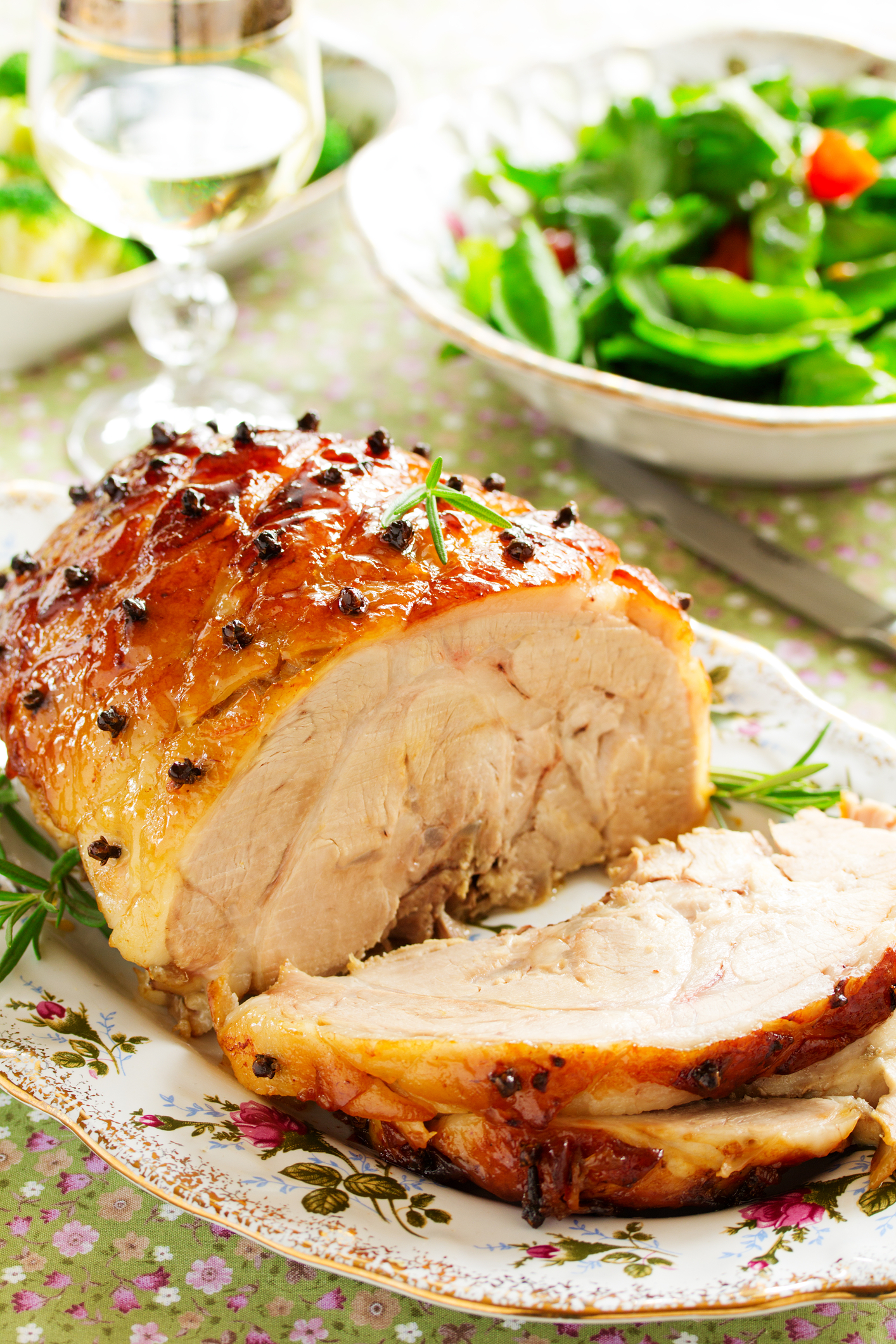
Step 4: Score the pork skin in a crosshatch pattern. Insert whole cloves at intervals into the scored surface. Push them in until they hold. My daughter calls them “porcupine spikes.”
Step 5: Pour the orange glaze mixture over the pork. Add broth to the bottom of the pan. Don’t pour it over the meat — keep it in the pan so it doesn’t dilute the glaze.
Step 6: Cover loosely with foil and roast for 1 hour 45 minutes. Baste every 30 minutes. I set a timer on my watch. (If you forget, the glaze gets sticky and dark too fast.)
Step 7: Remove foil in the last 15 minutes to caramelize the surface. Watch it. It goes from golden to burned fast. Pork is done when internal temperature reaches 145°F (63°C). No debates.
Step 8: Remove pork from pan and let rest for 10 minutes. This is where patience pays off. I usually clean something so I don’t hover.
Step 9: Strain pan drippings into a saucepan and bring to a simmer. Mix cornstarch with water to create a slurry and whisk into the sauce until thickened. It should coat a spoon.
Step 10: Slice pork against the grain and serve with orange-clove sauce. Have you ever used cloves in a savory dish? Share below!
Ways to Change It Up
Try this: Swap the orange juice for blood orange if you find them. The color is dramatic and the flavor is less sweet. I did this once for a dinner party and someone asked if I added beets.
Try this: Replace the honey with maple syrup if you want a deeper, earthier sweetness. It changes the glaze color to almost amber. Works best with pork shoulder.
Try this: Add a pinch of cayenne or smoked paprika to the glaze for heat. I did this by accident once (wrong jar) and it was actually good. Just don’t overdo it.
Which would you go for? Drop it in the comments.
How to Serve It
I served this with roasted potatoes and a simple green salad. The potatoes soaked up the sauce. The salad cut the richness.
My neighbor brought over some braised fennel once and it was perfect with the orange notes.
A friend suggested sweet potato mash. I haven’t tried it yet but I think she’s right.
What would you pair it with?
Storing It Without Ruining It
Fridge: Store in an airtight container for up to 4 days. The glaze will darken and the fat will solidify on top. Scrape it off before reheating if you want a cleaner flavor.
Freezer: Wrap slices tightly in foil, then place in a freezer bag. It keeps for up to 3 months. I froze a batch once and forgot about it for six months. It was still edible but the texture was off.
Reheating: The best way is in a covered dish with a splash of broth at 300°F for 10-15 minutes. Microwave works but the meat gets rubbery. I’ve done both.
Have you ever saved leftovers like this? Tell me below!
Mistakes I Made So You Don’t Have To
I once used a pork loin instead of shoulder and overcooked it by twenty minutes. It was like eating dry chicken. The sauce helped but not enough.
Another time, I added the glaze too early and it burned in the pan. I scraped it off, started over, and learned to apply it after searing.
I also skipped the resting time once out of impatience. The juice ran everywhere and the meat was tough. My husband said nothing but he ate less than usual.
Did something like this happen to you?
What People Ask Me About This Dish
Can I make this ahead of time?
Yes. Roast it fully, let it rest, slice, and store in the fridge. Reheat covered with a splash of broth. The glaze won’t be as glossy but the flavor holds. I did this for a Christmas dinner.
Do I have to use whole cloves?
No. You can use ground cloves in the glaze instead. Use ¼ teaspoon. It’s less decorative but same flavor. I tried it once and preferred whole.
Can I use a different meat?
But a pork shoulder or loin works best. I tried it with a pork tenderloin once and it was overcooked in 30 minutes. Stick with the original cut.
What if I don’t have fresh orange juice?
Store-bought is fine. Use the unsweetened kind. I’ve used it multiple times. It’s not as bright but it still works.
Is the sauce supposed to be thick?
It should coat a spoon. If it’s too thin, let it simmer longer. If it’s too thick, add a splash of broth. I’ve had both problems. Both fixable.
Can I skip the honey?
It changes the glaze significantly. Use maple syrup or brown sugar instead if needed. But the texture will be different. I tried brown sugar once and it was fine but grainier.
Which answer helped you most?
I’ll Probably Make This Again
I don’t say that about every recipe.
But this one works. It’s not fussy unless you make it fussy. The flavors are strong enough to impress but simple enough to pull off on a Tuesday.
I’ll probably use a little less honey next time. The glaze was sweet for my taste.
But that’s a preference, not a problem.
And I’ll definitely set the timer for basting. Every thirty minutes. No exceptions.
Will you make this soon?
Happy cooking!
—Danielle Monroe
Fun fact: Whole cloves were once used as currency in some Pacific islands. They were more valuable than gold for a while. Which means this roast is basically a treasure.
Roast Pork with Orange Glaze and Cloves Recipe
Ingredients
- 4 lb pork shoulder or loin
- 1 cup fresh orange juice
- ½ cup orange zest
- ¼ cup honey
- 3 tablespoons Dijon mustard
- 2 tablespoons balsamic vinegar
- 4 cloves garlic, minced
- 1 tablespoon fresh thyme
- 1 tablespoon fresh rosemary
- Salt and black pepper to taste
- 2 tablespoons olive oil
- 12-16 whole cloves for decoration
- 1 cup beef or pork broth
- 2 tablespoons cornstarch
- 2 tablespoons water
Instructions
- 1Preheat oven to 375°F (190°C).
- 2Pat pork dry with paper towels and season with salt and pepper.
- 3In a bowl, whisk together orange juice, orange zest, honey, mustard, balsamic vinegar, minced garlic, thyme, and rosemary.
- 4Heat olive oil in a large roasting pan over medium-high heat.
- 5Sear pork on all sides until browned, about 2 minutes per side.
- 6Score the pork skin in a crosshatch pattern and insert whole cloves at intervals into the scored surface.
- 7Pour orange glaze mixture over the pork.
- 8Add broth to the bottom of the pan.
- 9Cover loosely with foil and roast for 1 hour 45 minutes, basting every 30 minutes.
- 10Remove foil in the last 15 minutes to caramelize the surface.
- 11Pork is done when internal temperature reaches 145°F (63°C).
- 12Remove pork from pan and let rest for 10 minutes.
- 13Strain pan drippings into a saucepan and bring to a simmer.
- 14Mix cornstarch with water to create a slurry and whisk into the sauce until thickened.
- 15Slice pork and serve with orange-clove sauce.
Notes
See full recipe for nutritional information.