My husband ate it. Said nothing.
Which usually means it was fine, but not memorable. He’s not wrong this time.
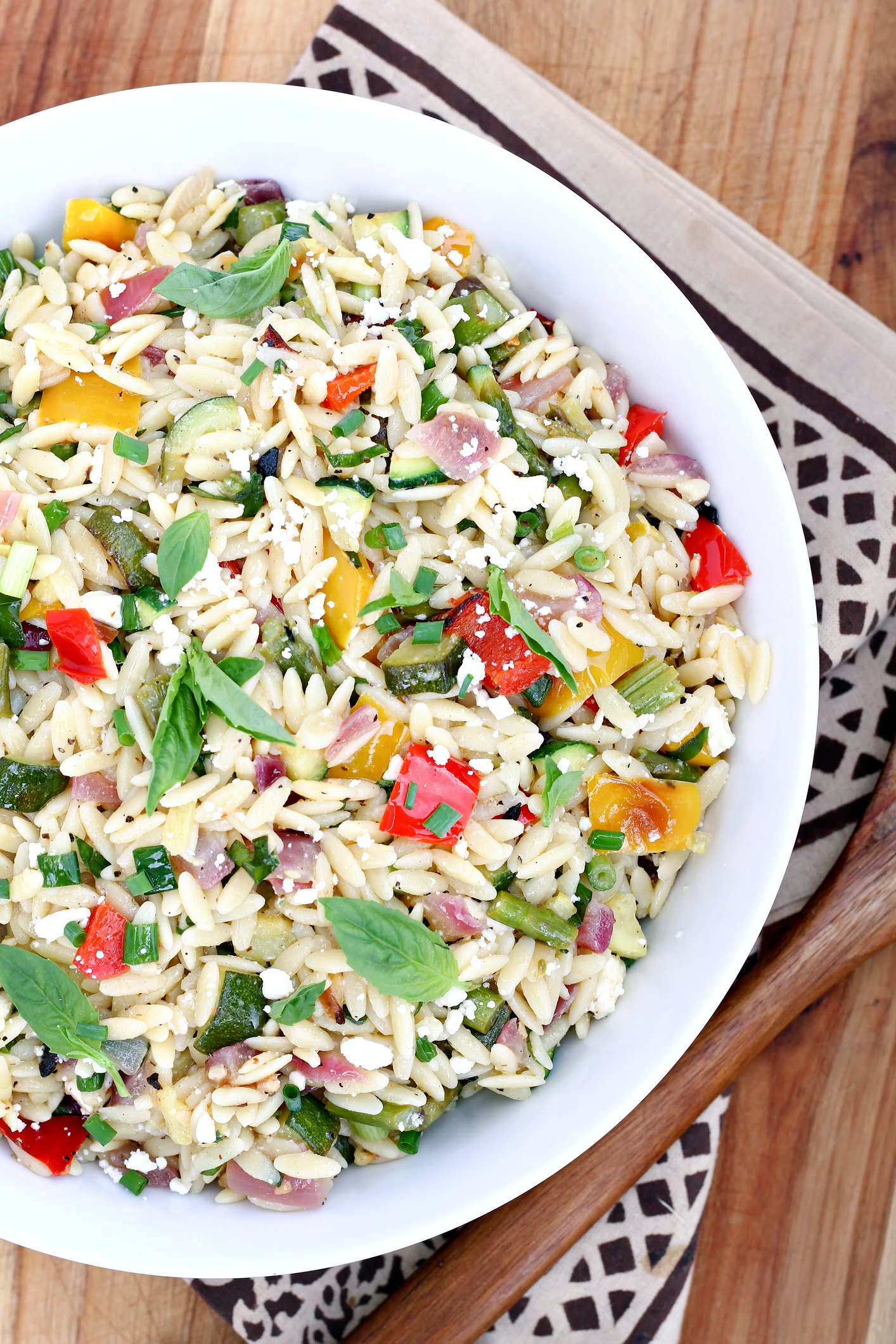
This one-pan orzo with roasted vegetables is exactly that: fine. Dependable. Edible. Not a conversion experience. But here’s the thing — I’ve made worse. And on a Tuesday when I’ve got fifteen minutes between emails and the fridge is half empty of inspiration, this is what gets dinner on the table.
The Eggs Are the Hard Part
Wait, there are no eggs in this recipe. That’s the point.
The eggs are the hard part of cooking dinner — the protein that demands attention, the timing that goes pear-shaped. This recipe has none of that. It’s vegetables, pasta, and patience. Nothing raw to fear. Nothing that screams if you walk away for five minutes.
I made this on a night when my daughter pushed her dinner around her plate. She ate the orzo. Left the bell peppers. I didn’t fight it. Some nights that’s a win.
Honestly? Not that deep.
About the Sauce
There isn’t one. That’s the first thing that’s going to bother you if you’re a sauce person. I am a sauce person.
The balsamic vinegar and olive oil do the work here. It’s not a creamy sauce. Not a tomato sauce. It’s a glaze, a whisper of acidity. The roasted vegetables bring moisture, but it’s a dry dish. If you want wet, add a splash of pasta water when you toss everything together. I’ve done that. It helps. But it’s still not saucy.
I thought about making a quick lemon vinaigrette to dress it. Next time I might. This time I didn’t have lemons.
That’s the thing about cooking on a dime: you work with what you have. This time I had balsamic and basil. That’s enough.
It Looked Done. It Wasn’t.
The vegetables, I mean. I pulled them at 22 minutes because the edges were dark and the kitchen smelled like roasted garlic — that deep, nutty smell that tricks you into thinking you’re done. I wasn’t.
The zucchini was still squeaky. You know the bite — that sound against your teeth, that raw texture that says “not finished.” I had to put the sheet pan back in for another eight minutes. That extra time turned the bell peppers from floppy to sweet. The cherry tomatoes burst properly.
Quick tip: Taste a piece of zucchini before you pull the pan. If it still has crunch, give it five more minutes. The color is a liar.
The Orzo Always Looks Wrong
I’ve made orzo maybe forty times. Every single time, when I dump the dry pasta into the bowl with the vegetables, I think I’ve messed up. The ratio looks off. Too much pasta, not enough vegetables. Then the cheese goes in, the basil, the vinegar, and somehow it balances out.
But for about thirty seconds, it looks like a mistake. Just so you know.
I once doubled the vegetables because I was paranoid. Turned out fine, but the pasta got lost. You want both to announce themselves. Trust the 1:1 ratio.
The Parmesan Mistake
I used pre-shredded Parmesan once. Don’t.
It clumps. It doesn’t melt. It sits on top of the warm orzo like plastic beads. Grate your own. It takes forty seconds, and it makes the dish taste like something intentional instead of something assembled.
I learned this the hard way, standing over a bowl of perfectly good roasted vegetables and sad cheese. I tried to stir it in. It didn’t help. I ate it anyway. I’ve made worse.
How to Make It
Step 1: Preheat the oven to 425°F. Dice the zucchini, bell peppers, and red onion into pieces about the same size — half-inch cubes. Halve the cherry tomatoes. Mince the garlic. Toss everything with 3 tablespoons olive oil, dried Italian herbs, salt, and pepper. Be generous with the salt. The vegetables need it. (I under-salted the first time and had to fix it at the end. Don’t do that.)
Step 2: Spread the vegetables on a large baking sheet in a single layer. Don’t crowd them. If they’re overlapping, use two sheets. I’ve crammed them onto one sheet and ended up with steamed vegetables instead of roasted ones. The difference is worth the extra pan.
Step 3: Roast for 25–30 minutes, stirring halfway through. Check at 20 minutes. Check again at 25. The vegetables should be tender, with brown edges on the zucchini and onions. The tomatoes should look deflated, almost jammy. They smell sweet. That’s the cue.
Step 4: While the vegetables roast, cook the orzo according to the package directions in salted boiling water. Drain. Don’t rinse it — you want the starch. I’ve read that rinsing pasta is for cold salads only. This isn’t a cold salad.
Step 5: Transfer the roasted vegetables to a large bowl. Add the cooked orzo and the remaining 1 tablespoon olive oil. Toss in the balsamic vinegar, red pepper flakes (use less if you’re sensitive — I’m not), and fresh basil. Stir gently. The orzo will absorb some of the oil and vinegar immediately. That’s good.
Step 6: Season with additional salt and pepper. Taste it. Add more vinegar if you want tang. Add more red pepper if you want heat. Divide into bowls. Top with Parmesan. Serve warm or at room temperature. I prefer it just warm, not hot. The flavors are clearer.
What’s your go-to vegetable for sheet pan dinners? Share below!
Ways to Change It Up
Try this: Swap the Parmesan for crumbled feta. The salty tang works better than you expect. Add the feta after you plate — it crumbles less that way.
Try this: Add a protein — cooked chicken sausage sliced into rounds, or a can of drained chickpeas tossed with the vegetables before roasting. The chickpeas get crispy on the outside, soft inside. I’ve done both. The sausage version is more filling. The chickpea version is cheaper.
Try this: Use lemon juice and zest instead of balsamic vinegar. Fresh, bright, completely different dish. I did this with leftover roasted asparagus and it was the best version yet. Still chasing that high.
Which would you go for? Drop it in the comments.
How to Serve It
Serve it in shallow bowls. A fork and a spoon — the orzo wants to be scooped, not stabbed.
Pair it with a simple green salad dressed with lemon and olive oil. The acid cuts through the richness of the cheese and the sweetness of the roasted vegetables. I’ve skipped the salad and regretted it. The texture contrast matters.
Or serve it next to grilled chicken or fish. The orzo acts like a side dish at that point, which is fine. It’s versatile enough to play backup.
What would you pair it with?
Storing It Without Ruining It
Fridge: three days max in an airtight container. The orzo absorbs moisture and gets softer each day. Day one is best. Day two is fine. Day three is edible but not exciting.
Freezer: I don’t recommend it. The vegetables turn mushy. The orzo gets pasty. I froze a batch once and regretted it. Thawed it, reheated it, ate it with hot sauce to mask the texture. It worked, barely.
Reheat in a skillet with a splash of water or broth. Microwave works but dries it out. If you must microwave, cover the bowl with a damp paper towel. It helps.
Have you ever saved leftovers like this? Tell me below!
Mistakes I Made So You Don’t Have To
Mistake one: I undercooked the orzo. I was rushing and pulled it a minute early. The pasta was chewy in a bad way — not al dente, just hard. Cook it to the full time on the package, then taste it. If there’s a white dot in the center, it’s not done.
Mistake two: I once didn’t toss the vegetables in enough oil. They came out dry, almost leathery. The edges were burnt, the centers were dry. Use the full 3 tablespoons. Don’t skimp. The oil is doing work you can’t see until it’s too late.
Mistake three: I added the basil at the beginning of roasting. It turned brown, then black, then tasted like burnt grass. Basil goes in at the very end, after everything is cooked. Fresh, not dried. Chop it, sprinkle it, serve it. That’s it.
Did something like this happen to you?
Can I Use a Different Pasta?
Can I use whole wheat orzo? Yes. Add a minute to the cook time. The texture is slightly nuttier, slightly chewier. I’ve done it. It works. But the regular orzo is better here — lighter, less dense.
Can I use long pasta instead? Sure. Spaghetti or linguine works. But the magic of orzo is that it catches the vegetables in every bite. Long pasta slides off. You end up with separate piles on your fork. Not terrible. Just not the same.
Can I skip the cheese? Yes. It’s still good. The dish leans on Parmesan for salt and umami, so add a pinch more salt to compensate. Or use nutritional yeast if you’re dairy-free. I’ve tried both. The nutritional yeast version tastes different — more savory, less rich. Still edible.
Can I make this gluten-free? Use gluten-free orzo. Cook it according to package directions. The texture is softer, slightly more sticky. I’ve tried two brands. One disintegrated. The other held up. Read reviews before buying.
Can I add meat? Yes. Cooked chicken sausage, grilled chicken, or even leftover meatballs. Dice them small so they fit in the fork with the orzo. I’ve added chorizo once — the oil turned the whole dish orange. Tasted good. Looked alarming.
Can I use frozen vegetables? Technically yes. They’ll release more water during roasting, so the vegetables will be softer, almost steamed. Drain any excess liquid before adding the orzo. I’ve done this in a pinch. It’s fine. Not great. Fine.
Which answer helped you most?
One Last Thing
This recipe isn’t going to change your life. It’s a Tuesday dinner. A leftover lunch. A thing you make when you need to feel like you cooked something without actually cooking much.
I’ve made it three times this month. Each time was different — different vegetables, different cheese, different herb. Each time was fine. None was spectacular. That’s the point.
Not every dinner needs to be a story. Some nights you just need to eat.
This one is good for those nights. It’s reliable. It’s forgiving. It won’t let you down if you pay attention to the vegetables and don’t rush the cheese.
Will you make this soon?
Happy cooking! —Danielle Monroe
Fun fact: Orzo is actually a pasta, not a grain. It’s shaped like rice, but it’s made from semolina flour. That’s why it cooks faster than rice and absorbs flavors better. Good to know when you’re eyeballing substitutions.
One Pan Orzo with Roasted Vegetables for Easy Dinner
Ingredients
- 1 pound orzo pasta
- 2 cups zucchini, diced
- 2 cups bell peppers, diced
- 1 large red onion, diced
- 2 cups cherry tomatoes, halved
- 3 cloves garlic, minced
- 4 tablespoons olive oil
- 1 teaspoon dried Italian herbs
- Salt and black pepper to taste
- 1/2 cup grated Parmesan cheese
- 2 tablespoons fresh basil, chopped
- 1 tablespoon balsamic vinegar
- 1/2 teaspoon red pepper flakes
Instructions
- 1Preheat oven to 425°F. Toss zucchini, bell peppers, red onion, cherry tomatoes, and garlic with 3 tablespoons olive oil, Italian herbs, salt, and pepper.
- 2Spread vegetables on a baking sheet in a single layer.
- 3Roast for 25-30 minutes, stirring halfway through, until vegetables are tender and lightly caramelized.
- 4While vegetables roast, cook orzo pasta according to package directions in salted boiling water. Drain and set aside.
- 5Transfer roasted vegetables to a large bowl. Add cooked orzo and remaining 1 tablespoon olive oil.
- 6Toss in balsamic vinegar, red pepper flakes, and fresh basil.
- 7Season with additional salt and pepper to taste.
- 8Divide into serving bowls and top with Parmesan cheese.
- 9Serve warm or at room temperature.
Notes
See full recipe for nutritional information.