I gave the chicken a full minute before I flipped it. Then it stuck anyway.
Should’ve oiled the grates a second time. Maybe a third.
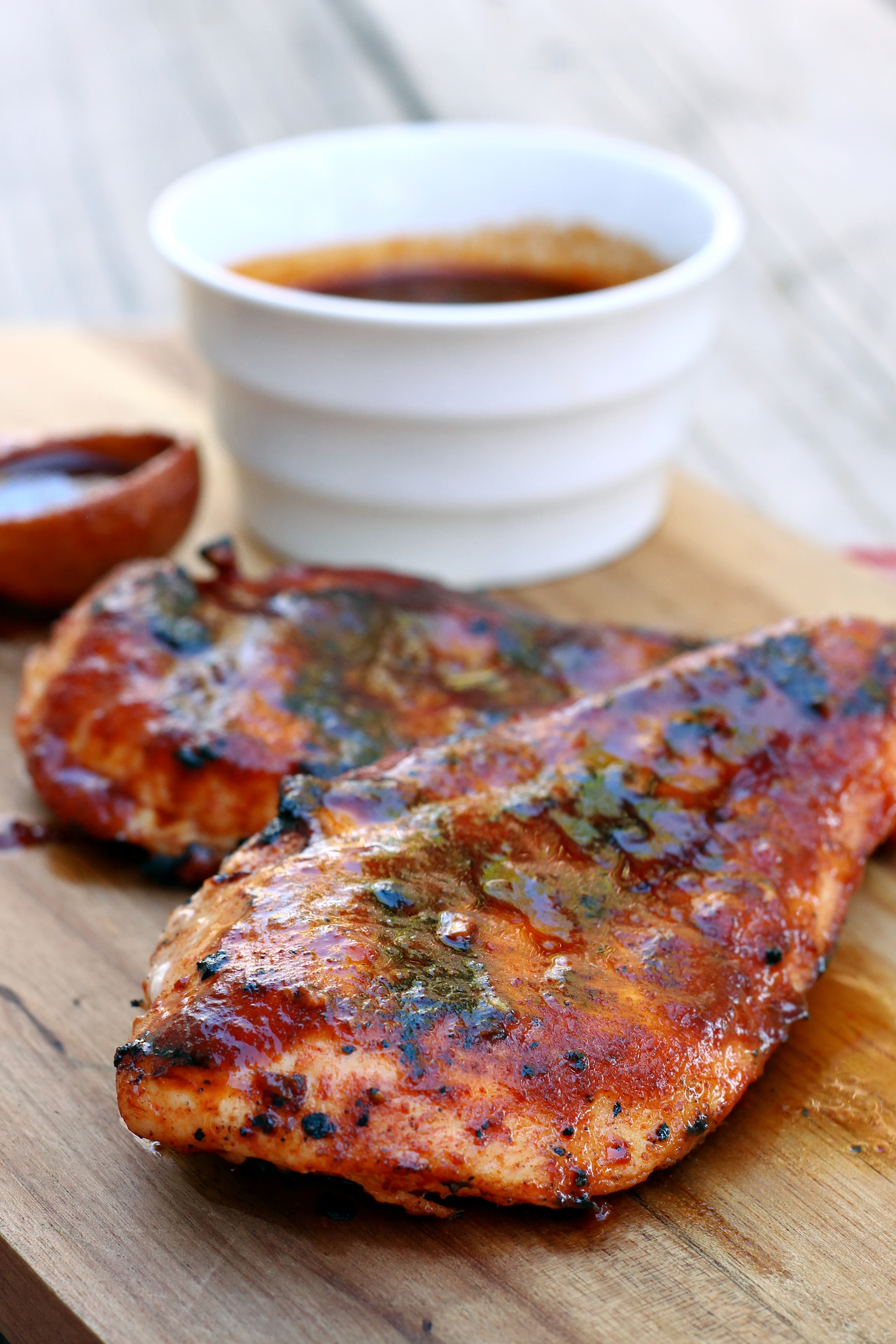
This isn’t a recipe you can coast through. It demands attention, particularly in the last five minutes when the sugar in the sauce starts threatening to burn.
It Looked Done. It Wasn’t.
The first time I made this, I pulled the chicken off the grill when the outside was charred and the sauce had set. Looked gorgeous.
Cut into it and the center was still raw. Not pink exactly, but that translucent, undercooked look that tells you your timing was off.
I put it back on and finished it. But the sauce got another layer of char and the outer edge dried out.
That’s why I check internal temp now. Every single time.
Quick tip: If you don’t own an instant-read thermometer, get one. They’re cheap and they save dinner.
The Eggs Are the Hard Part.
I’m kidding. There are no eggs. But that’s the kind of thing I’d write if I wanted to sound clever.
The actual hard part is getting the barbecue sauce to caramelize without turning into a blackened mess. Sugar burns fast.
Here’s what I learned: apply the sauce late. Not at the beginning. Let the chicken get a solid sear first, then brush on the sauce.
Even then, watch it. I’ve walked away for two minutes and come back to smoking glaze.
My neighbor once asked me for this recipe after I brought it to a cookout. She tried it and texted me saying the chicken was “too sweet.” I told her she probably used a sauce with high sugar content and applied it too early.
She didn’t text back. I’ve made worse.
About the Sauce.
Your barbecue sauce matters. Not in a gourmet way. In a practical way.
If the label lists corn syrup or sugar as the first ingredient, it’s going to burn fast. That’s fine if you keep the heat lower and add it later.
If you want a sauce that plays nice on the grill, look for one with tomato paste or vinegar higher on the list. The acid helps balance the sugar.
Personally I use a homemade version with brown sugar and apple cider vinegar. But store-bought works. Just read the label.
One time I used a fancy bourbon-based sauce. Looked impressive. Tasted like a candle.
Stick with what you know.
Don’t Rush This Part
The resting step seems optional. It’s not.
When you pull chicken off the grill at exactly 165°F and slice it immediately, the juices run out onto the cutting board. Then you’re eating dry chicken with a side of wasted flavor.
Five minutes. Set a timer. Walk away.
I once ignored this. Served the chicken right away because the kids were hungry. Dry. So dry. My daughter pushed it around her plate and asked for yogurt.
That was my fault, not the recipe’s.
Technically you want the internal temp to rise a few degrees during resting. Carryover cooking is real. If you pull it at 160°F and rest it, it’ll hit 165°F without drying out.
Honestly? Not that deep. But it helps.
How to Make It
Step 1: Preheat your grill to medium-high heat. Around 375°F. If you don’t have a thermometer on the grill, hold your hand about 5 inches above the grates. If you can keep it there for 3 seconds, it’s hot enough.
Step 2: Pat the chicken breasts dry with paper towels. This is not optional. Wet chicken won’t sear. It’ll steam. You’ll get pale, rubbery meat. (I’ve done this. It’s disappointing.)
Step 3: In a small bowl, combine 1 teaspoon salt, ½ teaspoon black pepper, ½ teaspoon garlic powder, and ½ teaspoon paprika. Rub this evenly over both sides of the chicken.
Step 4: Brush the grill grates with olive oil. I use a folded paper towel dipped in oil and handled with tongs. Be careful — oil can drip and flare up.
Step 5: Place the chicken on the grill. Cook 6-7 minutes per side without moving it. I know you want to peek. Don’t. If you flip too early, the crust tears and the chicken sticks.
Step 6: After the initial sear, brush the top of each breast generously with barbecue sauce. Continue grilling for 5-7 minutes. Flip, brush the other side. Grill another 5-7 minutes. Did your chicken ever stick to the grates like mine did? Share below!
Step 7: During the last minute of cooking, apply a final coat of sauce. This is for the glossy finish that makes it look like a magazine cover.
Step 8: Check internal temperature in the thickest part. It should read 165°F. Remove from grill.
Step 9: Let rest for 5 minutes. No shortcuts. Then slice and serve with extra barbecue sauce on the side.
Ways to Change It Up
Try this: Swap the boneless chicken breasts for bone-in, skin-on thighs. They take longer — about 10-12 minutes per side — but they’re juicier and more forgiving. The skin gets crisp and the sauce clings beautifully.
Try this: Spice it up. Add ½ teaspoon cayenne or chipotle powder to the dry rub. Or stir a tablespoon of hot sauce into the barbecue sauce before brushing. You’ll get a sweet-heat combo that cuts through the richness.
Try this: Use a citrus twist. Mix 2 tablespoons of orange or lime juice into the barbecue sauce. The acid brightens everything and helps balance heavy flavors. I did this once with leftover orange marmalade mixed into the sauce. Worked better than expected.
Which would you go for? Drop it in the comments.
How to Serve It
I put this on a plate with cornbread and coleslaw. The sweetness of the bread catches the sauce, and the slaw cuts through with vinegar and crunch.
For a lower-carb option, serve it over a green salad with avocado and cherry tomatoes. The chicken stays warm enough to wilt the greens slightly.
Or chop it up and throw it onto soft buns with pickles and more sauce. That’s a sandwich, and it’s good.
What would you pair it with?
Storing It Without Ruining It
Leftover barbecue chicken keeps in the fridge for up to 4 days in an airtight container. Don’t leave it out longer than 2 hours after grilling.
Freezer options: wrap each breast individually in plastic wrap, then foil. Stays good for 3 months. Thaw overnight in the fridge, not on the counter.
Reheating is the tricky part. The microwave will turn the sauce into a sticky mess and toughen the meat. Better to reheat in a covered skillet over medium-low heat with a splash of water or extra sauce. Or in a 350°F oven for 10 minutes, covered with foil.
If you’re in a hurry, slice the chicken thin and microwave it for 30 seconds. It won’t be as good but it’ll be edible.
Have you ever saved leftovers like this? Tell me below!
Mistakes I Made So You Don’t Have To
Mistake 1: I didn’t pat the chicken dry. I thought the marinade would help. It didn’t. The chicken steamed instead of seared. Took twice as long to get any color, and the texture was sad.
Mistake 2: I added the sauce too early. Like I mentioned before, the sugar burned before the chicken was done. I ended up with blackened, bitter chicken that looked impressive but tasted like regret.
Mistake 3: I once used a cheap grill that didn’t heat evenly. The chicken cooked on one side and stayed raw on the other. I rotated it every couple minutes to compensate, but the grill marks came out uneven and it took forever. Not a recipe problem. A gear problem.
Did something like this happen to you?
Your Questions, Answered
Can I use chicken thighs instead of breasts?
Yes. Boneless thighs cook in about the same time, maybe 1-2 minutes shorter. Bone-in takes longer. Use the thermometer. It’s non-negotiable.
How do I know when the grill is hot enough?
Hold your hand 5 inches above the grates. If you can keep it there for 2-3 seconds, it’s medium-high. Any longer and it’s not hot enough. Any shorter and you’ll burn the sauce.
Can I make this without a grill?
Use a grill pan or a cast-iron skillet. Cook over medium-high heat. You won’t get the smoky flavor, but you’ll get the crust. I tried this once and it worked fine. Not the same. Fine.
My sauce burned anyway. What went wrong?
Two things: too much sugar in the sauce, or you cooked at too high a heat. Both are fixable. Use a sauce with less sugar next time, or turn the heat down to medium and cook longer.
Can I marinate the chicken overnight?
Not in the barbecue sauce. The acid and sugar will break down the chicken’s surface and make it mushy. Marinate in the dry rub only if you must. But honestly, dry rub right before grilling is better.
What’s the best barbecue sauce to buy?
Sweet Baby Ray’s or Stubb’s. Both are widely available and work well. Sweet Baby Ray’s is sweeter and burns faster. Stubb’s has tang and holds up longer. Your choice.
Which answer helped you most?
So What Now
I make this chicken at least twice a month during grilling season. It’s not fancy. It’s predictable in the best way.
Some batches turn out better than others. That’s cooking. You learn something every time.
Last week I burned the sauce on two breasts because I got distracted by a phone call. Ate them anyway. They were fine.
You don’t need a perfect result to enjoy it. You just need edible chicken and enough sauce on the side.
Will you make this soon?
Happy cooking! —Danielle Monroe
Fun fact: Paprika is made from dried ground peppers. The smoking process gives it that deep red color and subtle heat.
Grilled Barbecue Chicken Recipe with Smoky Sweet Glaze
Ingredients
- 4 boneless, skinless chicken breasts (6 oz each)
- 1 cup barbecue sauce
- 2 tablespoons olive oil
- 1 teaspoon salt
- 1/2 teaspoon black pepper
- 1/2 teaspoon garlic powder
- 1/2 teaspoon paprika
Instructions
- 1Preheat grill to medium-high heat (around 375°F).
- 2Pat chicken breasts dry with paper towels.
- 3In a small bowl, combine salt, pepper, garlic powder, and paprika.
- 4Rub the spice mixture evenly over both sides of chicken breasts.
- 5Brush grill grates with olive oil to prevent sticking.
- 6Place chicken on preheated grill, cooking 6-7 minutes per side without moving.
- 7After initial searing, brush chicken generously with barbecue sauce.
- 8Continue grilling for 5-7 minutes, then flip and brush other side with sauce.
- 9Grill for another 5-7 minutes until internal temperature reaches 165°F.
- 10Apply final coat of barbecue sauce during last minute of cooking.
- 11Remove from grill and let rest for 5 minutes before serving.
- 12Serve hot with additional barbecue sauce on the side.
Notes
See full recipe for nutritional information.