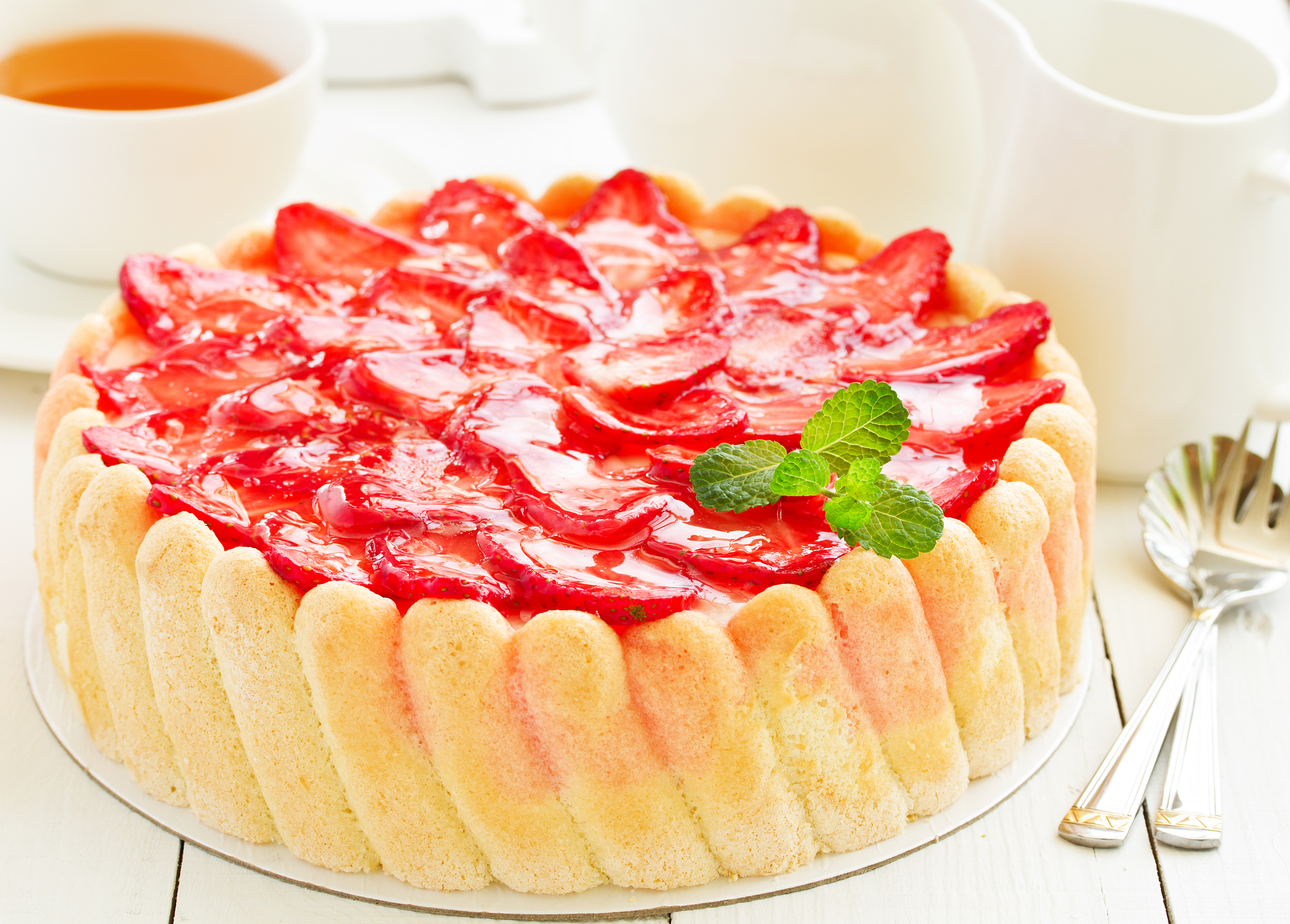
It Looked Beautiful. Then It Collapsed.
The ladyfingers stood up straight. The cream was perfectly folded. I spent forty-five minutes arranging the strawberries on top.
Then I unmolded it and the whole thing slid six inches to the left. The top layer of berries landed in a heap on the plate. My husband said “oh” and kept chewing.
This cake has a reputation for being fussy. It’s not fussy. It’s just specific. One thing goes wrong—too much syrup on the ladyfingers, not enough time in the fridge—and you’re serving a pink puddle.
I made it three times before I got one that stayed upright. The second one was the best tasting, actually. But it looked like a landslide.
If you want a perfect photo, you need patience. If you want a perfect bite, you need less fussing and more technique.
The Strawberry Thing
Fresh strawberries are not optional here. Frozen ones release too much water. I tried it once. The cream turned gray and the ladyfingers went soggy before I even dipped them.
Macerating the sliced berries with sugar pulls out their natural juice. That juice goes into the cream. It also keeps the berries from turning into mush inside the cake. You get these little pockets of bright fruit instead of a wet smear.
Don’t skip the maceration time. Twenty minutes minimum. Thirty is better. I set a timer because I always forget.
The Ladyfinger Problem
Store-bought ladyfingers are fine. Homemade are better. But I’m not making ladyfingers from scratch for a cake that might collapse anyway.
The real issue is the syrup dip. Too long and they turn into wet noodles. Too short and they’re dry inside the cake. I dip each one for exactly one second. Count it. One-thousand-one. Then immediately place it in the mold.
They need to be slightly softened but still firm enough to stand. That’s the sweet spot. Quick tip: if a ladyfinger breaks while you’re dipping it, eat it. Start fresh. Don’t patch it, it won’t hold.
About the Mascarpone
Room temperature mascarpone is not a suggestion. Cold mascarpone lumps up when you try to fold in the cream. I know because I did it once and had to start over.
Take it out of the fridge an hour before you start. The cream, on the other hand, needs to be ice cold. That’s the contradiction. You work fast with cold cream, slow with room-temperature mascarpone.
I whisk the mascarpone first, then fold in the whipped cream in two batches. The first batch lightens the mascarpone. The second batch finishes it. If you dump it all at once, you lose half the air you just whipped.
The Gelatin Question
The recipe says gelatin is optional. I say it depends on your patience.
If you’re serving this within four hours of assembly, skip the gelatin. The cream holds fine. If you’re making it the night before for a dinner party, use the gelatin. It’s insurance against the slide.
But I’ve made worse. I once made a charlotte cake with no gelatin, left it overnight, and it still held. The humidity that day was low. The strawberries were perfect. Every variable aligned and I still have no idea why.
Unmolding Without Tears
I don’t use a springform pan for this. I use a straight-sided metal mold. No latch. No seams. Just a cylinder.
To unmold, I run a knife around the edge, then invert onto the serving plate. Then I lift the mold straight up. No wiggling. No tapping.
That’s how I dropped the first one. Wiggled it. Purely a mistake I won’t defend.
How to Make It
Step 1: Hull and slice your strawberries. Reserve 8 to 10 whole ones for the top. Toss the sliced berries with 1/4 cup sugar and let them sit for 20 minutes. This feels like waiting. It’s not. It’s chemistry.
Step 2: Make the syrup. Combine 1/2 cup sugar with 1/4 cup water in a small saucepan. Heat until the sugar dissolves completely. Don’t let it boil hard—just melted. Remove from heat and stir in the strawberry liqueur or kirsch. Let it cool to room temperature. (I once dipped the ladyfingers while the syrup was still warm. The ladyfingers disintegrated. Don’t rush this.)
Step 3: Line your mold. Dip each ladyfinger into the syrup for exactly one second. Arrange them vertically around the inside of a 2-quart charlotte mold or springform pan, rounded side facing out. Pack them tight. You want no gaps. (Honestly? It’s going to look weird until you add the filling. Trust the structure.)
Step 4: Whip the cream. In a large cold bowl, beat cold heavy cream until soft peaks form. Add powdered sugar and vanilla. Keep whipping to stiff peaks. Set this in the fridge while you do the next step. Why? Because it holds better.
Step 5: Beat the mascarpone. In another bowl, beat room-temperature mascarpone with 2 tablespoons of sugar until smooth. No lumps. Then gently fold in the whipped cream in two additions. First addition—just combine. Second addition—fold until uniform but still airy. What’s the one thing you always forget to take out of the fridge in time? Share below!
Step 6: Fold in the berries. Add the macerated strawberries and all their juice to the mascarpone cream. Fold gently. The juice will streak the cream pink. That’s the look you want.
Step 7: Fill the mold. Pour the cream mixture into the ladyfinger-lined mold. Smooth the top. Then cover the top with more dipped ladyfingers, arranged flat. This seals the cake.
Step 8: Refrigerate. Minimum 2 hours, but overnight is better. The ladyfingers soften further and the flavors meld. Patience is the last ingredient.
Step 9: Unmold and serve. Run a knife around the edge. Invert onto a plate. Lift the mold straight up. Garnish with reserved whole strawberries and a dusting of powdered sugar. Slice with a serrated knife. It’s worth the wait.
Ways to Change It Up
Try this: Swap the strawberries for raspberries. Same technique, different flavor. You’ll need about 12 ounces. The raspberries break down a little more, so skip the maceration and fold them in dry. Their natural acidity cuts the mascarpone perfectly.
Try this: Add a layer of lemon curd on top of the cream before sealing. Spread it thin—about 1/4 inch. The tart lemon against the sweet berries is the kind of contrast that makes people ask for the recipe.
Try this: Use brioche instead of ladyfingers. Slice a brioche loaf into thin slabs, toast lightly, then dip in the syrup. It’s less precise but more forgiving. The cake won’t be as tall, but it’ll taste like French toast and strawberries.
Which would you go for? Drop it in the comments.
How to Serve It
Serve this cold, straight from the fridge. It doesn’t need to sit at room temperature. The texture is better when it’s firm.
Pair it with a simple dollop of unsweetened whipped cream. The extra fat balances the sugar. Or serve it with a side of fresh raspberries and mint.
A dry sparkling wine or a crisp Sauvignon Blanc works. The acidity cuts through the mascarpone. For non-alcoholic, try sparkling water with a strawberry slice.
What would you pair it with?
Storing It Without Ruining It
This cake keeps in the fridge for up to 3 days. After that the ladyfingers start to break down and the strawberries weep. Day two is actually the sweet spot—the flavors marry and the texture is at its peak.
Cover it loosely with plastic wrap. Don’t press the wrap against the surface or you’ll dent the berries. And don’t let the wrap touch the ladyfingers—they’ll stick and tear when you peel it off.
Freezing is not recommended. The mascarpone cream will separate when thawed. I tried it once. The result was a grainy mess with watery strawberries. Not worth it.
To reheat? You don’t. This is a cold dessert. If you want warm, make a cobbler.
Have you ever saved leftovers like this? Tell me below!
Mistakes I Made So You Don’t Have To
I once used cream that was slightly warm from sitting on the counter. It wouldn’t whip. I ended up with a soupy mess that I tried to salvage by adding cold cream and overmixing. The cake set but the texture was like pudding. Not the good kind.
I once over-soaked the ladyfingers. They went into the mold like wet paper towels. The entire structure sagged. I had to scrape everything into a bowl, call it “strawberry trifle” and serve it with a spoon. No one complained, but I knew.
I once omitted the salt. I thought it was unnecessary. The cake tasted flat. Salt isn’t just for savory dishes—it sharpens the fruit and the cream. Just a pinch.
Did something like this happen to you?
Your Questions, Answered
Can I use frozen strawberries? No. They release too much water. The cream will thin out. I tried it and the cake never set properly. Fresh only.
How long does it need to chill? At least 2 hours. Overnight is better. I’ve left it 24 hours and it was perfect. 48 hours and the ladyfingers started to soften too much.
Can I use a springform pan instead of a charlotte mold? Yes. But line the bottom with parchment paper. The base might leak a little cream. Place it on a baking sheet just in case. Which answer helped you most?
What if I don’t have strawberry liqueur? Use vanilla extract mixed into the syrup. Or orange juice. Or skip the flavoring entirely. The cake still works.
Can I make this dairy-free? Mascarpone is the backbone here. Dairy-free subs like coconut cream or vegan mascarpone work but the texture is denser. I tried oat-based cream once. It was okay. Not the same.
Why is my cream lumpy? You folded too hard or too fast. Or the mascarpone was cold. Gentle folds, slow hand, cold cream. It’s the only way.
Last Thoughts Before You Start
This cake is not quick. It’s not a last-minute dessert. But it’s also not as hard as the internet makes it seem.
The ladyfingers are the only part that requires attention. The rest is folding and patience. Honestly? Not that deep.
If it collapses, call it a trifle. If the top slides off, cover it with whipped cream. Perfection is overrated. Edible is underrated.
I’ve made this cake for dinner parties where no one knew it had fallen apart in the fridge. I’ve made it for my daughter who ate only the strawberries. I’ve made it for myself at 11pm because I wanted something sweet and the planning felt soothing.
Will you make this soon?
Happy cooking! —Danielle Monroe
Fun fact: Strawberries aren’t berries. They’re accessory fruits. The seeds are on the outside. That’s why they feel sandy if you don’t wash them—the seeds are part of the texture.
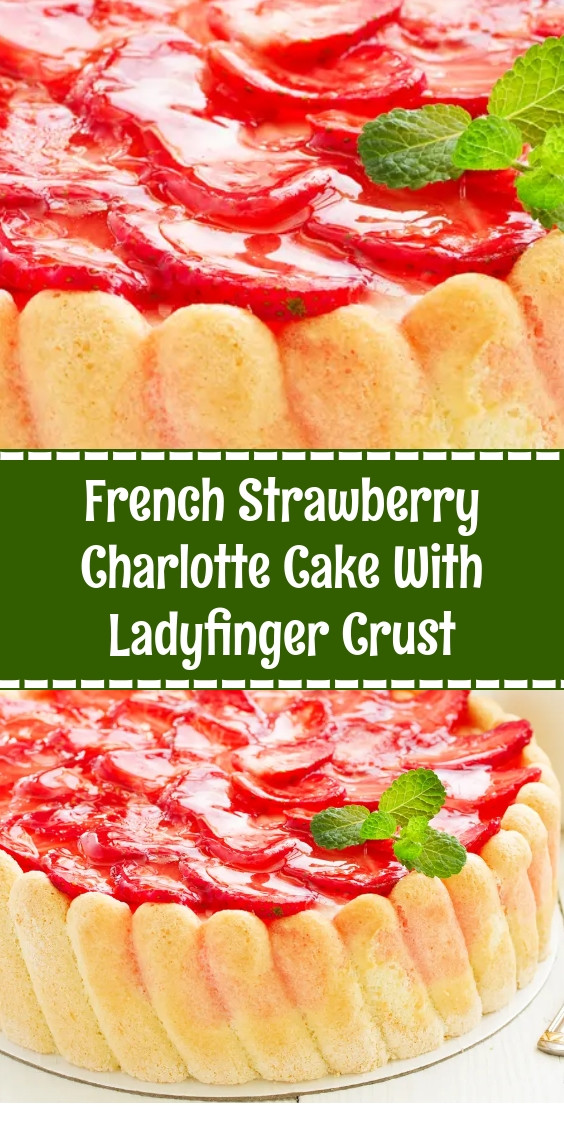
French Strawberry Charlotte Cake With Ladyfinger Crust
Ingredients
- 24 ladyfinger biscuits (sponge fingers)
- 1 lb (500g) fresh strawberries
- 3/4 cup (150g) granulated sugar
- 1/4 cup (60ml) water
- 2 tablespoons strawberry liqueur or kirsch
- 1 lb (500g) mascarpone cheese, room temperature
- 1 cup (240ml) heavy cream, cold
- 1 teaspoon vanilla extract
- 2 tablespoons powdered sugar
- 1 teaspoon gelatin (optional)
- Salt to taste
Instructions
- 1Hull and slice strawberries. Reserve 8-10 whole berries for garnish. Place sliced berries in a bowl with 1/4 cup sugar and let macerate for 20 minutes.
- 2In a small saucepan, combine 1/2 cup sugar and water. Heat until sugar dissolves, then cool. Add strawberry liqueur.
- 3Quickly dip ladyfingers into the syrup and arrange vertically around the inside of a 2-quart charlotte mold or springform pan, rounded side out.
- 4In a large bowl, whip cold heavy cream until soft peaks form. Add powdered sugar and vanilla extract, continue whipping to stiff peaks. Set aside.
- 5In another bowl, beat mascarpone with 2 tablespoons sugar until smooth and creamy. Gently fold whipped cream into mascarpone in two additions until fully combined.
- 6Fold macerated strawberries and their juices into the mascarpone cream mixture.
- 7Pour strawberry cream mixture into the lined mold, smoothing the top. Cover remaining with dipped ladyfingers.
- 8Refrigerate for at least 2 hours, preferably overnight, until set.
- 9To serve, unmold carefully onto a serving plate. Garnish top with reserved whole strawberries and dust lightly with powdered sugar.
Notes
See full recipe for nutritional information.