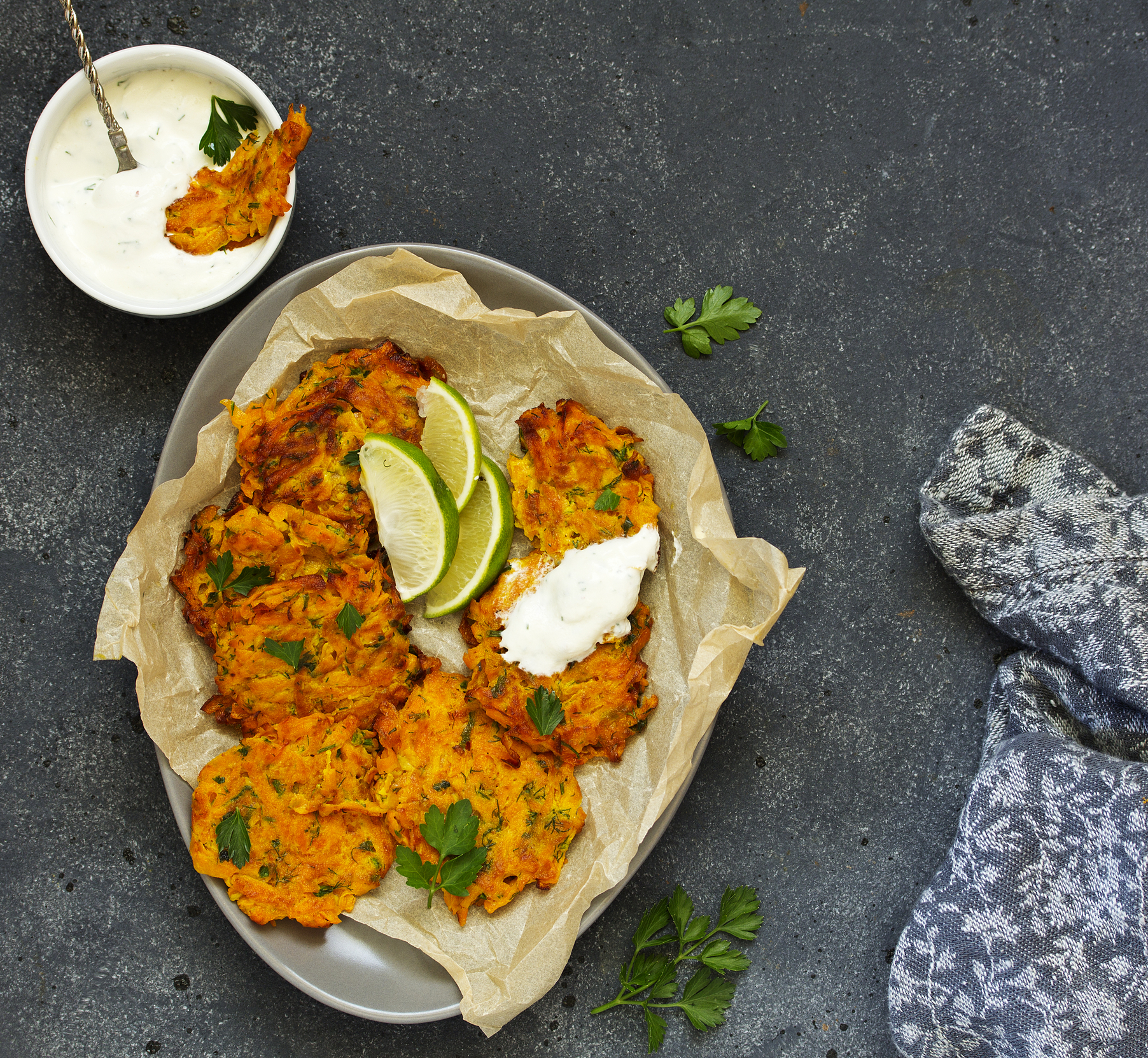
I burnt the first pancake. Not badly, but enough to know the heat was too high.
It’s always the first one. I don’t know why I’m surprised anymore.
The Batter Looked Wrong
It was too thick. More like cookie dough than pancake batter.
That’s the thing about pumpkin puree—it’s not all the same. Some cans are drier than others. I’ve had batches where I needed an extra splash of milk, and others where it was perfect straight off the whisk.
This time I added two tablespoons of milk. Not enough. The first pancake was dense and heavy.
I added another quarter cup. That did it.
So the recipe below is written with 3/4 cup milk, but honestly? Start with that and add more if your batter looks like cement.
My daughter pushed her first pancake around her plate. Said it looked weird. I told her to try it. She took one bite, then ate the rest without looking up.
Not a win yet. Just progress.
The Eggs Are the Hard Part
Not because eggs are difficult. They’re not.
But I once forgot to crack one into the wet ingredients. Realized it when I was folding the batter together. Had to fish out the dry clumps and start over.
I’ve made worse mistakes. That one was just annoying.
The egg binds everything. Without it, the pancakes fall apart when you flip them. I learned that the hard way.
Make sure it’s a large egg. Not medium. Not extra-large. Large. I tried a jumbo egg once and the batter was too loose. It spread like a crepe.
Don’t fix what isn’t broken.
About the Spices
I measure them out before I start. Every time.
Not because I’m organized. Because if I don’t, I’ll double-add the cinnamon while trying to whisk and pour at the same time.
I’ve done that too. Pancakes tasted like a Christmas candle.
Quick tip: Toast the spices in a dry pan for 30 seconds before adding them to the flour. It wakes them up. Don’t skip this—the difference is real.
You can skip the cloves if you hate them. I won’t tell anyone.
But the ginger and nutmeg are non-negotiable. They’re what makes it taste like fall instead of just sweet orange mush.
It Looked Done. It Wasn’t.
The third batch looked perfect on the outside. Golden. Bubbly. All the signs.
Cut into one and the center was still raw.
Pumpkin pancakes are thicker than regular ones. They need more time to cook through. 2-3 minutes on the first side, then 2 more on the second. Not 1-2. Don’t rush this part.
I lowered the heat to medium-low and let them go slower. Worth it.
No one wants a middle that’s still batter.
The Griddle Sticking Problem
I use a cast iron griddle. It’s my favorite tool for pancakes.
But it needs butter. Not oil. Butter.
Oil makes the edges crisp but the center uneven. Butter gives you that golden edge and a soft middle. I’ve tested this. Multiple times.
Add a fresh pat of butter between each batch. Don’t let the pan go dry.
I once used margarine. Don’t ask. It was a low-point morning and I wasn’t thinking clearly. The pancakes stuck. I scraped them off and moved on.
Never again.
One Memory
My grandmother made pancakes every Sunday. She used a cast iron pan that had been in the family since the 1940s.
Her pancakes were thin. Almost crepe-like. I liked them but I always wanted fluffy ones.
Now I make these. And I think she’d approve. Maybe. She never liked pumpkin in baked goods.
“It’s a squash,” she’d say. “Not a dessert.”
I eat these with maple syrup and whipped cream anyway. Some rules are meant to be broken.
How to Make It
Step 1: In a large bowl, whisk together flour, sugar, baking powder, cinnamon, ginger, nutmeg, cloves, and salt. I use a fork for this. A whisk is overkill and harder to clean.
Step 2: In another bowl, mix the pumpkin puree, milk, egg, melted butter, and vanilla extract. Beat it until it’s smooth. No lumps in the wet stuff. The lumps go in the dry flour mix. (I learned this after a particularly lumpy batch of pancakes that looked like they had measles.)
Step 3: Pour the wet into the dry. Stir gently until just combined. Lumps are okay here. Over-mixing makes them tough. Do you want tough pancakes? No. Stop stirring.
Step 4: Heat your griddle or skillet over medium heat. Add a pat of butter. Let it melt and foam. The pan is ready when a drop of water sizzles immediately and dances across the surface.
Step 5: Pour 1/4 cup batter per pancake. I use a measuring cup for this. Eyeballing it leads to one giant pancake and three tiny ones. Not helpful. Have you ever tried to flip a pancake that’s bigger than your spatula? Share below!
Step 6: Cook for 2-3 minutes. You’ll see bubbles form on the surface and the edges will start to look set. Don’t flip too early. I’ve flipped at 90 seconds before. It was a mess.
Step 7: Flip carefully. Cook another 1-2 minutes. Press gently on the center with your spatula. If it springs back, it’s done. If it feels squishy, give it another 30 seconds.
Step 8: Transfer to a plate. Keep warm in a 200°F oven while you cook the rest. Or just eat them as they come off the pan. I’ve done both. Both are fine.
Step 9: Serve with warm maple syrup and whipped cream. Or butter and syrup. Or just syrup. No judgment here.
Ways to Change It Up
Try this: Add 1/3 cup chocolate chips to the batter. The sweetness cuts the pumpkin spice in a way that works. My daughter approves this version.
Try this: Swap the all-purpose flour for whole wheat pastry flour. The pancakes will be denser but still fluffy enough. Add an extra tablespoon of milk to compensate.
Try this: Make them dairy-free. Use almond milk and coconut oil instead of butter. They’ll be slightly less fluffy but still good. I tried this for a friend who’s lactose intolerant. She ate three.
Which would you go for? Drop it in the comments.
How to Serve It
Stack them high. Drizzle warm maple syrup. Add a dollop of whipped cream if that’s your thing.
I like them with crispy bacon on the side. The salt cuts the sweet. My husband prefers sausage. He’s wrong but I don’t argue.
A handful of toasted pecans on top adds crunch. Or a dusting of powdered sugar for a prettier presentation. I do this when I’m taking photos. Not for myself.
What would you pair it with?
Storing It Without Ruining It
These pancakes keep in the fridge for up to 3 days. Stack them with parchment paper between each pancake so they don’t stick together.
To freeze, let them cool completely. Then stack with parchment and wrap tightly in foil or a freezer bag. They last about 2 months. I’ve had them at 3 months and they were fine. A little drier but fine.
Reheat in the toaster. That’s the best method. The microwave makes them rubbery. The oven dries them out. The toaster gives you crispy edges and a warm center. Trust me.
Alternatively, reheat in a dry skillet over low heat for 2 minutes per side. Works in a pinch.
Have you ever saved leftovers like this? Tell me below!
Mistakes I Made So You Don’t Have To
I once used sweetened pumpkin pie filling instead of pure pumpkin puree. The pancakes were cloyingly sweet and had a weird texture. Don’t do this. Check the label. It should say 100% pumpkin puree or just pumpkin.
I once forgot the baking powder. The pancakes came out flat and dense. Like hockey pucks. Edible but sad.
Did something like this happen to you?
I once tried to double the recipe without adjusting the cooking time. The batter was too thick, the pancakes took forever to cook through, and the first few were burnt on the outside and raw inside. Lesson: if you double the recipe, thin the batter slightly with extra milk and lower the heat a touch.
Pancake Problems You Might Have
Why are my pancakes not fluffy? Most likely you over-mixed the batter or your baking powder is old. Test baking powder by dropping a teaspoon into hot water. If it doesn’t fizz, get new baking powder.
Can I use canned pumpkin instead of fresh? Yes. I use canned. It’s more consistent. Fresh pumpkin has more water and the pancakes turn out less fluffy. Not worth the effort unless you have extra pumpkin lying around.
Can I make the batter the night before? You can, but they won’t be as fluffy. The baking powder reacts immediately. Store the dry and wet separately, then mix in the morning. I tried pre-made batter once. The pancakes were flat. Never again.
My pancakes are burning on the outside but raw inside. Heat is too high. Lower it to medium-low and cook for longer. I’ve done this more times than I want to admit.
Can I use whole wheat flour? Yes, but the pancakes will be denser. Add an extra tablespoon of milk to keep them from being dry. I do this sometimes. It’s fine. Not as fluffy but still good.
How do I keep them warm while I cook the rest? Place them on a baking sheet in a 200°F oven. Don’t stack them or they’ll steam and get soggy. Single layer is best. I learned this after pulling a sad, wet stack out of the oven one morning.
Which answer helped you most?
Last Thoughts on These Pancakes
They’re not perfect. But they’re good.
I’ve made them on busy weekday mornings when I was rushing out the door. They work then too. Just cook them faster and accept that the first one will be a sacrifice.
I’ve made them on lazy Saturday mornings with nowhere to go. Those are the best batches. When you have time to get the heat right and the flipping rhythm.
The batter is forgiving. The mistakes are fixable. And if you burn one, just eat it anyway. No one’s judging.
I’ll probably make these again next weekend. Or maybe not. Depends on what’s in the fridge.
Will you make this soon?
Happy cooking! —Danielle Monroe
Fun fact: Pumpkins are technically a fruit, not a vegetable. They’re a type of squash related to cucumbers and melons. So eating these pancakes is basically like having fruit for breakfast. That’s my logic and I’m sticking with it.
Fluffy Pumpkin Pancakes for a Cozy Fall Morning
Ingredients
- 1 cup all-purpose flour
- 2 tablespoons sugar
- 2 teaspoons baking powder
- 1 teaspoon ground cinnamon
- 1/2 teaspoon ground ginger
- 1/4 teaspoon ground nutmeg
- 1/4 teaspoon ground cloves
- 1/2 teaspoon salt
- 3/4 cup pumpkin puree
- 3/4 cup milk
- 1 large egg
- 2 tablespoons melted butter
- 1 teaspoon vanilla extract
- Butter for cooking
- Maple syrup for serving
- Whipped cream for serving (optional)
Instructions
- 1In a large bowl, whisk together flour, sugar, baking powder, cinnamon, ginger, nutmeg, cloves, and salt.
- 2In another bowl, combine pumpkin puree, milk, egg, melted butter, and vanilla extract. Mix until smooth.
- 3Pour wet ingredients into dry ingredients. Stir until just combined; lumps are okay.
- 4Heat a griddle or non-stick skillet over medium heat. Lightly butter the surface.
- 5Pour 1/4 cup batter per pancake onto the griddle.
- 6Cook for 2-3 minutes until edges look set and bubbles form on top.
- 7Flip carefully and cook another 1-2 minutes until golden brown.
- 8Transfer to a serving plate and repeat with remaining batter.
- 9Serve warm with maple syrup and whipped cream if desired.
Notes
See full recipe for nutritional information.