It Took Me Three Tries to Get This Right
The first batch of cashews burned before the onions hit the pan. I was already annoyed. My immersion circulator had broken that morning, and I was in no mood for a delicate dish. I wanted something that would fight back. This recipe doesn’t fight back. It cooperates once you stop overthinking it. I’ve made worse. A lot worse.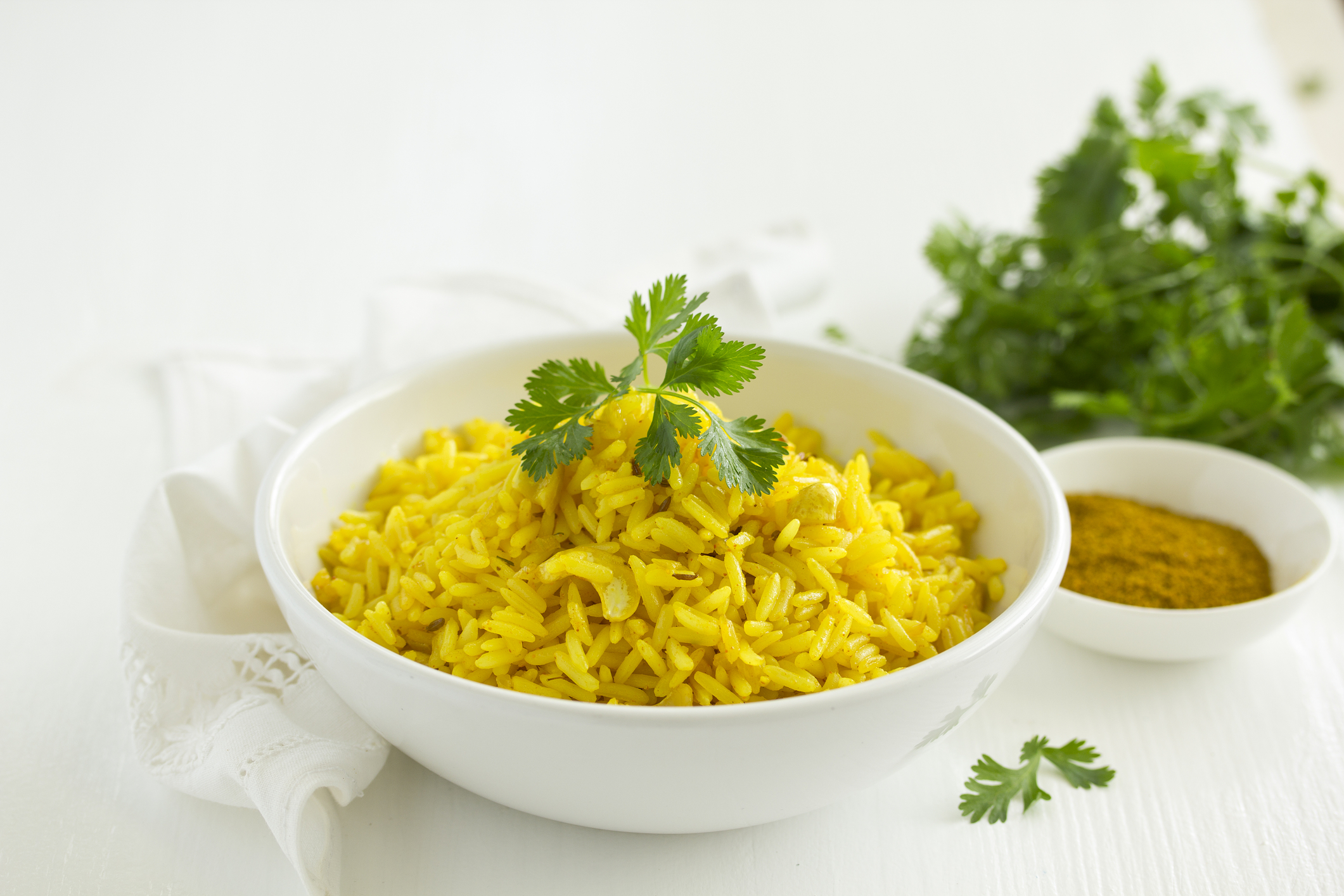
The Cashews Are the Whole Point
Every other ingredient is background noise. The rice, the coconut milk, the curry powder—they all support the main event. That nutty, salty, roasted crunch that breaks the softness of the grains. I toast mine in a dry pan. No oil. Medium heat. Three and a half minutes exactly. You’ll smell it before you see the color change. That’s your cue. Pull them off the heat immediately. They’ll keep roasting in the hot pan for another thirty seconds. If you walk away, they’ll taste like burnt regret. Quick tip: Toast the cashews first and set them aside. Don’t be tempted to toss them in early—they’ll soften into sad little nubs.About the Curry Powder
Not all curry powders are created equal. I learned this the hard way when I used a cheap blend and ended up with beige rice that tasted like dust. The turmeric was old, the cumin was faint, and the whole thing needed salt just to taste like something. Find one with a recent expiration date. Better yet, buy from a spice shop that rotates stock. I use a Madras blend. Medium heat. Deep color. It works with coconut milk without disappearing. If yours is mild, double the turmeric. You need that golden yellow. Food that looks right tastes better. That’s not a metaphor. That’s science.The Rice Situation
Basmati. Long grain. Rinsed until the water runs clear. I used to skip this step. I was in a hurry, and the rice looked clean enough. Then I’d end up with a pot of sticky, gummy bricks that clumped like wet cement. Rinsing removes the surface starch. It takes two minutes and changes everything. The ratio here is critical: two cups of rice to four cups of liquid. But half that liquid is coconut milk, which thickens as it cooks. So the liquid looks like plenty, then it doesn’t, then it absorbs perfectly. I checked the pot at twelve minutes. Looked too wet. I trusted the process. At seventeen minutes, it was fluffy. This is the observation only someone who’s cooked this would know: When you lift the lid, the surface will look wet for longer than you expect. Don’t stir it. Don’t add more time. Let it rest covered for five full minutes off the heat. The moisture redistributes. That rest period does more work than the last ten minutes of cooking.Where I Messed Up the First Time
I dumped everything in at once. Onions, garlic, spices, rice, broth, coconut milk, cashews, vegetables—all in the same pot at the same time. The result was a homogeneous mush. Everything tasted the same. The vegetables were limp. The rice was overcooked in spots and raw in others. Cooking in stages isn’t fussy. It’s necessary. The onions need to sweat first. The garlic needs its minute alone. The spices need to bloom in the oil before liquid hits them. That bloom step is non-negotiable. Curry powder needs fat and heat to release its flavors. If you add it to water, you get sad, flat rice. I tried that once. Never again.The Vegetables Don’t Need to Be Fancy
Frozen peas work. So do diced carrots from a bag. I used a frozen mix of peas, carrots, and green beans. Thawed them slightly, added them after the onions softened, cooked for two minutes before the rice went in. Fresh is fine if you have it. Not required. Bell peppers add sweetness. I used half a red one, diced small, thrown in with the carrots. The vegetables are texture, not flavor. They break up the rice and cashew monotony. Don’t stress about them. I will say: avoid broccoli. It overcooks and releases sulfur compounds that clash with the curry. I learned this the hard way when my kitchen smelled like a wet gym sock.How to Make It
Step 1: Rinse two cups of basmati rice under cold water until the water runs clear. Drain and set aside. This removes surface starch and prevents gummy rice (I’ve learned this after many gummy pots).
Step 2: Toast one cup of raw cashews in a dry pan over medium heat for three to four minutes. They should smell nutty and look slightly golden. Remove immediately. If you burn them, start over—there’s no saving burnt cashews here.
Step 3: Heat three tablespoons of coconut oil in a large pot over medium heat. Add one teaspoon of cumin seeds and let them crackle for thirty seconds. Don’t walk away—they burn fast.
Step 4: Add two medium diced onions and cook until translucent, about three minutes. Then stir in three minced garlic cloves and cook one minute until fragrant. (If the garlic browns, the heat is too high—turn it down.)
Step 5: Add two tablespoons curry powder and one teaspoon turmeric powder. Stir constantly for one to two minutes. The oil should turn deep yellow. This is where the flavor sets.
Step 6: Add one cup mixed vegetables (peas, carrots, bell peppers) and cook for two to three minutes. They should soften slightly but keep their shape.
Step 7: Pour in the rinsed rice and stir to coat with the spiced oil. Cook for two minutes. This toasts the rice grains and adds another layer of nuttiness.
Step 8: Add four cups vegetable broth, one can coconut milk, and two bay leaves. Bring to a boil. Then reduce heat to low, cover, and simmer for fifteen to eighteen minutes. No peeking. No stirring.
Step 9: Remove from heat and let rest covered for five minutes. This step is not optional—it allows the rice to absorb any remaining moisture evenly.
Step 10: Fluff with a fork. Remove bay leaves. Stir in toasted cashews, one tablespoon lime juice, and salt and pepper to taste. Garnish with fresh cilantro. Serve hot.
Did you notice the rice looked wet at twelve minutes? That’s normal. How did your pot look at the fifteen-minute mark? Share below!
Ways to Change It Up
Try this: Swap the cashews for roasted peanuts or slivered almonds. Peanuts give a more savory crunch, almonds stay lighter. Both toast faster than cashews, so watch them closely.
Try this: Use sweet potatoes instead of mixed vegetables. Dice one medium sweet potato into half-inch cubes, add with the onions, and cook until slightly tender before adding rice. It adds sweetness and heft.
Try this: Make it spicy. Add one minced fresh chili (bird’s eye or serrano) with the garlic, or stir in half a teaspoon of cayenne with the curry powder. The coconut milk handles heat well without burning your mouth.
Which would you go for? Drop it in the comments.
How to Serve It
I eat this straight from the bowl, no sides. It’s a complete meal—rice, protein (cashews), vegetables, fat (coconut milk). But if you want to stretch it:
Serve it with a simple cucumber yogurt salad. Dice one cucumber, mix with plain yogurt, salt, and a pinch of cumin. The coolness cuts the curry’s warmth.
Or go hot and fast. Serve with quick-pickled red onions—thinly sliced onion soaked in lime juice and salt for ten minutes. The acidity brightens everything.
Or keep it minimalist. A wedge of lime and extra cilantro. That’s it.
What would you pair it with?
Storing It Without Ruining It
This rice handles the fridge better than most. The coconut milk keeps it moist without turning gluey.
Cool completely before covering. Steam trapped in the container turns the cashews soft—and soft cashews are a tragedy. Spread the rice on a baking sheet for ten minutes to cool fast, then transfer to an airtight container.
Fridge: three days max. Reheat in a pan with a splash of water or broth over medium heat. Cover with a lid for five minutes to steam through. Microwave works, but the cashews get sad. I’ve done it. I’ve regretted it.
Freezer: yes. Portion into zip bags, flatten to save space, freeze for up to two months. Thaw in the fridge overnight before reheating. The cashews won’t be as crunchy, so consider adding fresh toasted cashews after reheating.
Have you ever saved leftovers like this? Tell me below!
Mistakes I Made So You Don’t Have To
Mistake one: Undercooked rice. I pulled the pot at twelve minutes because it looked done on top. The bottom was raw. The heat wasn’t low enough, and the liquid wasn’t absorbing. I had to add extra broth, cover, cook another eight minutes. Now I check by tasting a grain from the middle, not the top.
Mistake two: Burnt cumin seeds. I once walked away from the pan after adding the cumin seeds. Came back thirty seconds later to black specks in the oil. Had to start over. Those seeds go from fragrant to charcoal in less than a minute.
Mistake three: Soggy cashews. I added the cashews at the start, thinking they’d toast in the pot. They steamed instead. Soft. Meal. Gross. They need to be added at the very end, right before serving. I once added them too early and had to pick them out one by one.
Did something like this happen to you?
Your Curry Rice Questions, Answered
Can I use brown rice instead of basmati?
Yes, but the liquid and time change. Brown rice needs about forty-five minutes to cook and absorbs more liquid. Use five cups of liquid instead of four. And know that it won’t have the same light, fluffy texture. It’ll be chewier.
Why did my rice turn out mushy?
Too much liquid or too much stirring. After you add the lid, leave it alone. Stirring releases starch and creates glue. Also, check your rice-to-liquid ratio—if you used a full can of coconut milk plus four cups broth, that’s too much. Half the coconut milk next time and supplement with water.
Can I make this without coconut milk?
Yes. Replace the coconut milk with an equal amount of vegetable broth. The rice will be lighter and less creamy. Add a tablespoon of coconut oil at the end for some fat flavor. I tried this once when I ran out—it worked, but it wasn’t as satisfying.
Is there a quick version?
Use pre-rinsed rice (some brands sell it) and frozen vegetables that don’t need thawing. Skip the cumin seed crackling step. The dish loses a little depth, but it saves ten minutes. But honestly? Not that deep.
Can I add protein?
Sure. Add cubed tofu (pressed and pan-fried) after the vegetables, or stir in canned chickpeas with the broth. I’ve added leftover shredded chicken once. It was fine.
My kids won’t eat curry. What now?
Use half the curry powder and increase the turmeric. The color stays golden, the flavor mutes. Serve with plain yogurt on the side for dipping. My daughter pushed it around her plate the first time. The second time, she ate it.
Which answer helped you most?
One Last Thing
I made this dish on a Tuesday when I had nothing planned and everything felt heavy.
The rice cooked perfectly. The cashews stayed crunchy. The kitchen smelled like someone who had their life together.
It didn’t fix anything. But I ate a bowl of it standing at the counter, and the world felt slightly less annoying.
That’s what this dish is. Not a solution. Just food that works.
Will you make this soon?
Happy cooking! —Danielle Monroe
Fun fact: True cinnamon is just the inner bark of a tree. What we call cinnamon in most US grocery stores is actually cassia, which has a stronger, sharper taste.
Easy Vegetarian Curry Rice with Crunchy Cashews
Ingredients
- 2 cups basmati rice
- 4 cups vegetable broth
- 1 cup raw cashew nuts
- 2 medium onions, diced
- 3 cloves garlic, minced
- 2 tablespoons curry powder
- 1 cup mixed vegetables (peas, carrots, bell peppers)
- 3 tablespoons coconut oil
- 1 teaspoon cumin seeds
- 1 teaspoon turmeric powder
- 1 can coconut milk (13.5 oz)
- 2 bay leaves
- Salt and pepper to taste
- Fresh cilantro for garnish
- 1 tablespoon lime juice
Instructions
- 1Rinse basmati rice under cold water until water runs clear. Set aside.
- 2Toast cashew nuts in a dry pan over medium heat for 3-4 minutes until golden. Remove and set aside.
- 3Heat coconut oil in a large pan over medium heat.
- 4Add cumin seeds and let them crackle for 30 seconds.
- 5Add diced onions and sauté until translucent, about 3 minutes.
- 6Stir in minced garlic and cook for 1 minute until fragrant.
- 7Add curry powder and turmeric powder. Cook for 1-2 minutes, stirring constantly.
- 8Add mixed vegetables and cook for 2-3 minutes.
- 9Pour in the rinsed rice and stir well to coat with oil, about 2 minutes.
- 10Add vegetable broth, coconut milk, and bay leaves. Bring to a boil.
- 11Reduce heat to low, cover, and simmer for 15-18 minutes until rice is tender and liquid is absorbed.
- 12Remove from heat and let rest covered for 5 minutes.
- 13Fluff rice with a fork.
- 14Stir in toasted cashews and lime juice.
- 15Season with salt and pepper to taste.
- 16Garnish with fresh cilantro and serve hot.
Notes
See full recipe for nutritional information.