The oil was spitting before I even got the fish floured.
I should have known better. That pan was too hot. But the potatoes were ready, and I was impatient.
Not my best work. But the fish still came out edible, and the mashed potatoes smoothed over everything. That’s the thing about this combo. It forgives a lot.
About That Crust
The coating here is simple. Flour, salt, pepper, garlic powder.
No cornstarch. No panko. No secret blend of seven spices.
Sometimes you just want a basic golden crust that tastes like the fish, not a batter competition. My grandmother made it this way. She never measured. She just dipped and fried.
I once stood next to her as she did it. She didn’t say a word. Just the sound of oil and the smell of salt.
That memory sticks.
The Eggs Are the Hard Part
The egg wash is straightforward. Two eggs and a quarter cup of milk.
But get the ratio wrong—too much milk—and the flour slides off in the oil. It turns into this sad, patchy mess.
I’ve made that mistake three times. I stopped counting after the second. You scrape the pan, start over, and pretend it didn’t happen.
Quick tip: Pat the fish fillets dry before the egg wash. Wet fish rejects the coating. It pools. It spatters. It’s not worth the frustration.
The third time I learned. Maybe.
It Looked Done. It Wasn’t.
Four minutes is the baseline for cod. Five if it’s thick.
I pulled one piece at three minutes because it looked golden. Looked perfect.
It was raw in the center. Translucent. Unpleasant.
I put it back in. It was fine. But I felt stupid.
Trust the timer. Not your eyes. The oil color can trick you.
About the Mashed Potatoes
Mashed potatoes are supposed to be creamy. That’s the point.
But I don’t like them too wet. Some people add milk. Some add water. Some add half the butter they should.
I add butter and cream. That’s it. No sour cream. No cream cheese. No roasting the garlic first.
Honestly? Not that deep.
Just mash until smooth, season well, and cover the bowl so they don’t form a skin while you’re frying.
I forgot to cover them once. The skin was like plastic wrap but worse. I scraped it off and moved on. Not my finest moment.
Don’t Rush This Part
The potatoes need fifteen to eighteen minutes in salted water. Fork-tender means the fork slides in without resistance.
I’ve tested them early. At twelve minutes, they’re still firm. At twenty, they start falling apart and the mash gets gluey.
Fifteen is the sweet spot for Yukon Golds. Russets might need a minute more.
Test two pieces. Not one. I once tested one that was soft, but the rest were still hard in the center. You can’t tell from the top.
How to Make It
Step 1: Peel and cube the potatoes into one-inch pieces. Place them in a large pot and cover with cold salted water by about an inch. Bring to a boil, then reduce to a simmer. Cook for 15–18 minutes until fork-tender. Drain well. (Don’t rinse them—you want the starch.)
Step 2: Return the drained potatoes to the pot. Add the butter and cream. Mash until smooth. Season with salt and pepper. Taste it. If it’s bland, add more salt. Cover and set aside.
Step 3: While the potatoes cook, set up your breading station. In one shallow bowl, mix the flour, salt, pepper, and garlic powder. In another, whisk the eggs and milk. Place a wire rack next to the stove. This step matters.
Step 4: Heat oil in a deep skillet to 350°F. Use enough oil so the fish swims, not sits. About two cups. Test it with a pinch of flour—if it sizzles immediately, you’re ready. I’ve had oil that was barely warm. That flour just sat there, soaking grease. Awful.
Step 5: Pat the fish fillets dry with paper towels. Dip each one in the egg mixture, letting the excess drip off. Then coat thoroughly in the flour mixture. Press it on. Shake off the loose bits. Place on the wire rack. Let it rest for two minutes. This helps the coating stick.
Step 6: Carefully place the fish in the hot oil. Don’t crowd the pan. Fry 4–5 minutes per side, flipping once. The crust should be deep golden. Not pale. Not burned. If you see dark spots forming, your oil is too hot. Turn it down.
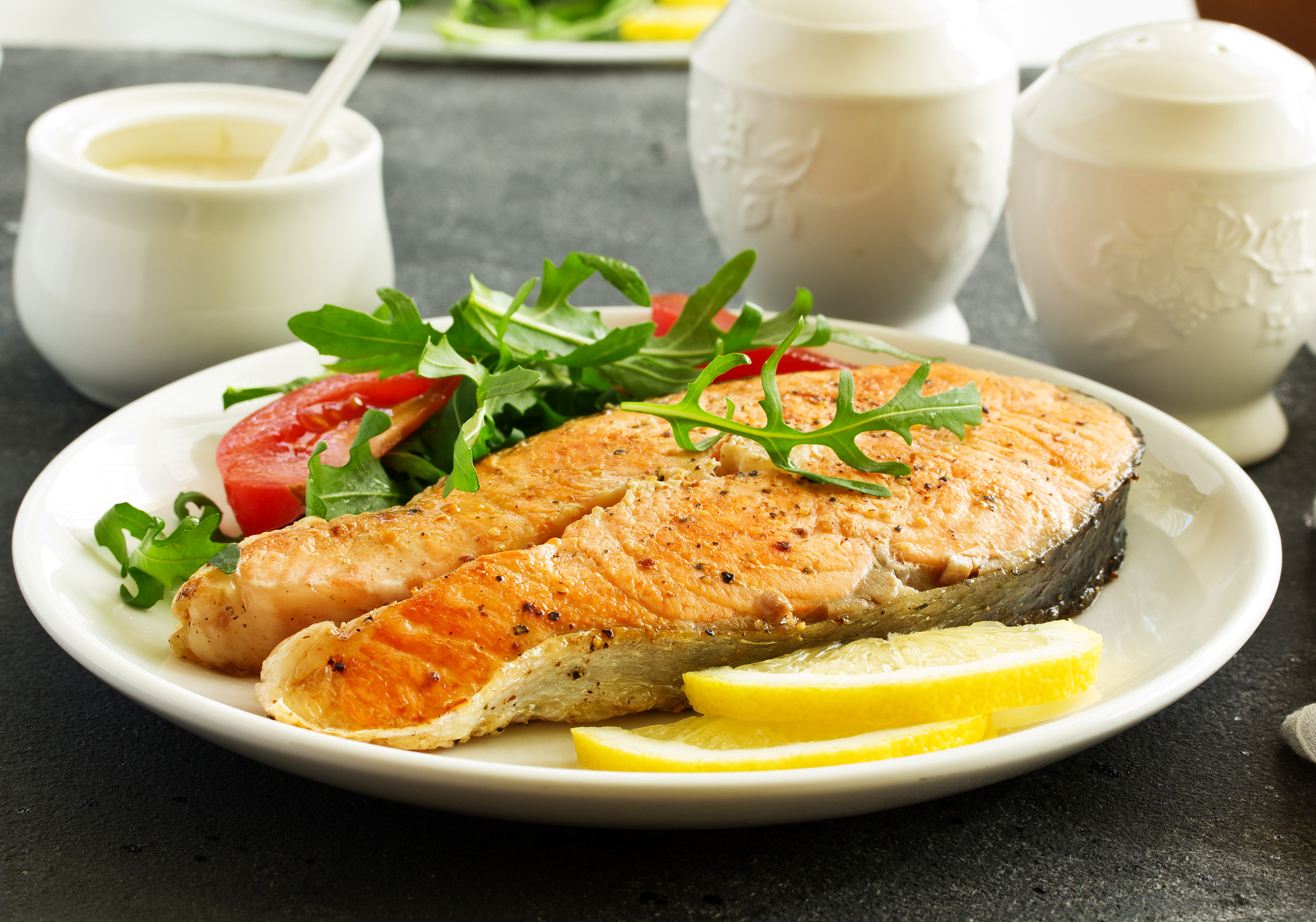
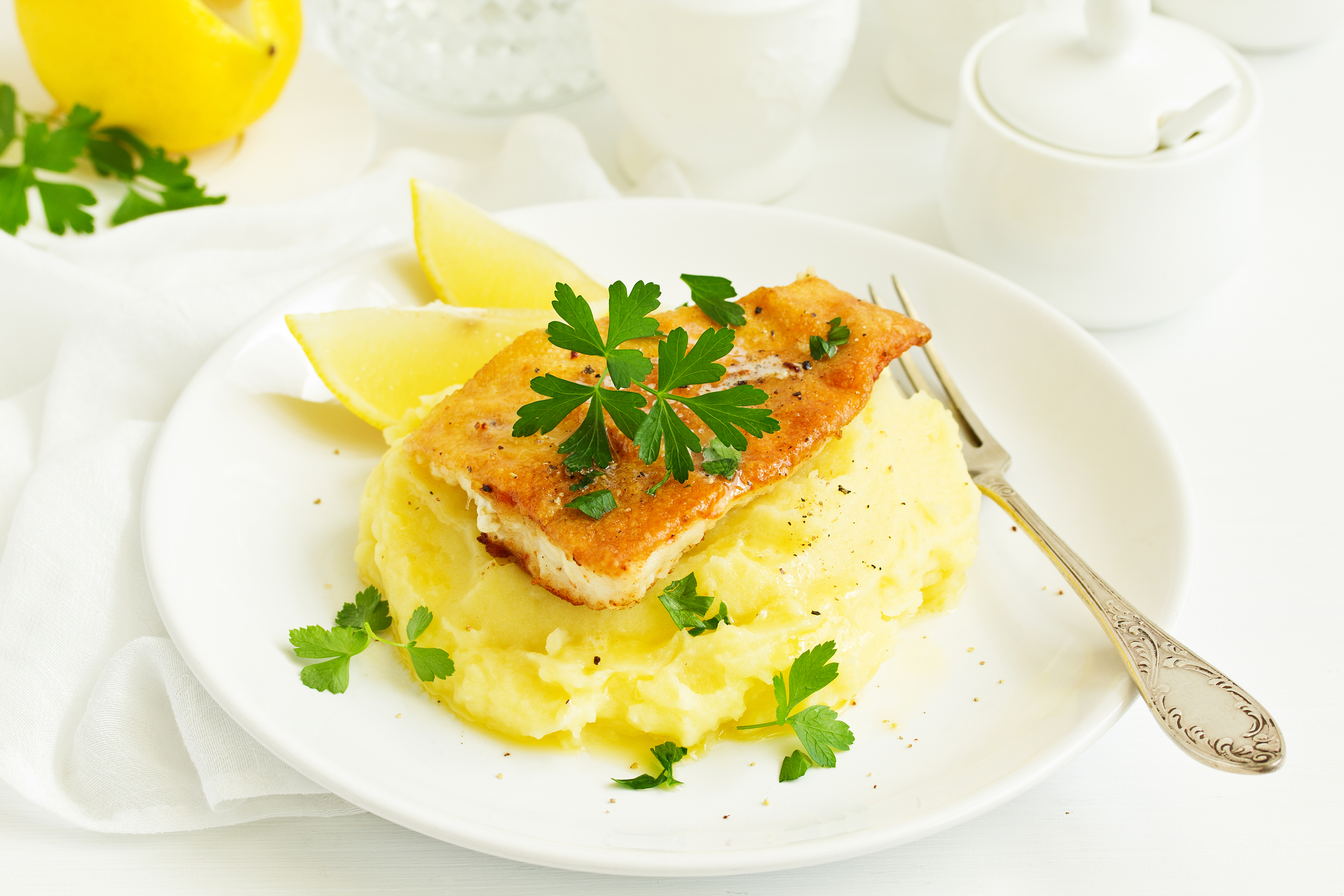
Step 7: Transfer the fish to paper towels to drain. Sprinkle with a little salt while it’s hot. Serve the fish over the mashed potatoes. Garnish with fresh parsley. Add lemon wedges and tartar sauce on the side.
What would you serve with this? Share below!
Ways to Change It Up
Try this: Use panko breadcrumbs mixed with the flour for a crunchier crust. Add a teaspoon of paprika to the flour for color and a mild smoky flavor.
Try this: Swap the cod for tilapia or pollock. Tilapia cooks faster—about 3 minutes per side. Pollock holds up well. Just adjust the time based on thickness.
Try this: Add a splash of lemon juice to the mashed potatoes. It cuts the richness. Or stir in some chopped chives. Or replace the cream with buttermilk for a tangy twist.
Which would you go for? Drop it in the comments.
How to Serve It
Serve the fish right on top of the mashed potatoes. Let the potatoes catch any extra oil or tartar sauce.
A side of steamed green beans or a simple arugula salad with lemon vinaigrette balances the richness. Or throw some roasted broccoli in the oven while the fish fries.
I once served it with pickled red onions. The acidity helped. Not necessary, but nice.
What would you pair it with?
Storing It Without Ruining It
Fried fish is best the day you make it. The crust gets soft in the fridge. But if you must store it, here’s how.
Let the fish cool completely on a wire rack. Don’t stack it. Stacking traps steam, and the crust turns to mush. Place it in an airtight container with a paper towel on top. That towel absorbs moisture. Replace it if it gets wet.
In the fridge, it keeps for one day. Two at most. By day three, the texture is sad.
To reheat, don’t use the microwave. It will be rubbery. Place the fish on a wire rack over a baking sheet and reheat at 375°F for 8–10 minutes. It crisps up somewhat. Not like fresh. But better than soggy.
The mashed potatoes freeze well for up to a month. Portion them into freezer bags, flatten them, and label with the date. Thaw in the fridge overnight, then reheat in a pot with a splash of milk or cream. Stir until smooth.
Have you ever saved leftovers like this? Tell me below!
Mistakes I Made So You Don’t Have To
I once used too much oil. Not dangerous, just wasteful. And the fish floated around like it was in a bath. Use enough to come halfway up the fillet. That’s plenty.
I once dipped the fish in the flour first, then the egg, then the flour again. The crust was thick. Too thick. It fell off in one piece when I cut into it. Stick to the direct egg-to-flour order. No double-dipping.
I once forgot to salt the potatoes until after I mashed them. The salt didn’t dissolve properly. I had little salt crystals in my mash. Unpleasant. Salt the water, not the mash. Trust the boiling water to distribute it.
Did something like this happen to you?
Can I Use Frozen Fish?
Can I use frozen fish? Yes, but thaw it completely first. Pat it dry. Frozen fish holds more water. If you fry it frozen, the oil will spatter dangerously, and the coating will slide off. Thaw in the fridge overnight, or run the fillets under cold water until pliable.
Can I use milk instead of cream in the potatoes? You can, but the texture will be thinner. Cream gives that rich, silky mouthfeel. Milk makes it more like a puree. If you’re watching calories, use milk and add an extra tablespoon of butter for body.
How do I know when the oil is 350°F without a thermometer? Drop a cube of bread into the oil. If it browns in about 60 seconds, you’re close. If it burns immediately, too hot. If it sits there pale, too cool. A thermometer is better. They cost eight dollars. Worth it.
Can I bake this instead of frying? You can, but it won’t be the same. The crust won’t get that deep golden crunch. If you must, bake at 425°F on a greased wire rack over a baking sheet for 12–15 minutes, flipping once. Spray with oil first. It’s okay. It’s not great.
My coating fell off. What went wrong? Either the fish was wet, or the oil wasn’t hot enough. Dry the fillets thoroughly. Let the coated fish rest on a wire rack for a few minutes before frying. That rest helps the crust set. And get the oil hot first. No shortcuts.
Can I use a different fish? Sure. Cod and tilapia are just the most forgiving. Halibut works but is expensive. Catfish is great, but it has a stronger flavor. If you use catfish, add some cayenne to the flour.
Which answer helped you most?
That Last Bite
I made this on a Tuesday night. Not for a special occasion. Just because I had fish and potatoes and needed to use them before they went bad.
The fish was fine. The potatoes were smooth. My daughter pushed the fish around her plate and ate the potatoes first.
I didn’t fight her on it. Some nights, that’s what you get.
The kitchen smelled like oil and salt and something familiar. Not fancy. Just dinner.
I’ve made worse. I’ve made better. This one was in the middle.
Maybe next time I’ll get the crust perfect. Or maybe I won’t.
Will you make this soon?
Happy cooking! —Danielle Monroe
Fun fact: Cod can live up to 20 years and grow over six feet long. The one on your plate likely came from the icy North Atlantic, where the cold water gives it that firm, flaky texture.
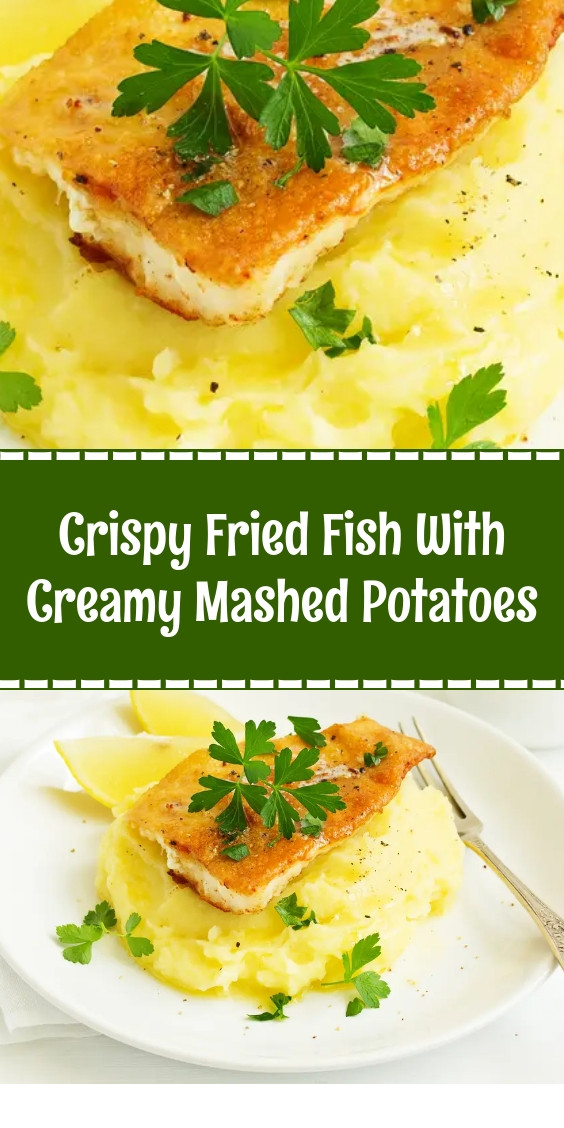
Crispy Fried Fish With Creamy Mashed Potatoes
Ingredients
- 4 fish fillets (cod or tilapia), 6 oz each
- 1 cup all-purpose flour
- 1 teaspoon salt
- 1/2 teaspoon black pepper
- 1/2 teaspoon garlic powder
- 2 eggs
- 1/4 cup milk
- Oil for frying (2 cups)
- 2 pounds potatoes, peeled and cubed
- 4 tablespoons butter
- 1/4 cup heavy cream
- Salt and pepper to taste
- Fresh parsley for garnish
Instructions
- 1Boil potatoes in salted water for 15-18 minutes until fork-tender, then drain.
- 2Mash potatoes with butter and cream until smooth, season with salt and pepper, keep warm.
- 3Mix flour, salt, pepper, and garlic powder in a shallow bowl.
- 4Whisk eggs and milk together in another bowl.
- 5Heat oil to 350°F in a deep skillet.
- 6Pat fish fillets dry with paper towels.
- 7Dip each fillet in egg mixture, then coat thoroughly in flour mixture.
- 8Carefully place fish in hot oil, fry 4-5 minutes per side until golden brown.
- 9Transfer fish to paper towels to drain excess oil.
- 10Plate mashed potatoes, top with fried fish, garnish with parsley.
- 11Serve immediately with lemon wedges and tartar sauce.
Notes
See full recipe for nutritional information.