The butter was already browning. I’d left the pan on too high, and now the milk solids were doing that thing they do—going from nutty to burned in about six seconds.
I pulled it off the burner. The potatoes were still boiling. Not my finest timing.
These mashed potatoes are about as straightforward as it gets. Russets, butter, whole milk, parsley. Nothing clever. No secret ingredient. But I’ve made them enough times to know a few places where things go sideways without warning.
Let me skip the part where I pretend this is the best thing you’ll eat all year.
It’s good. Reliable. And fast enough that you don’t need an excuse.
The Potatoes Pick the Fight
Russets get fluffy. That’s the whole point. When you boil them right, they break apart and absorb butter like it’s their job.
But you can’t rush the water. Cold water, salt it first, then add the peeled quarters. If you drop them into boiling water, the outside cooks faster than the inside. Lumpy disaster waiting to happen.
I learned this because I did the opposite once. My daughter pushed it around her plate. Said it felt gritty. She wasn’t wrong.
Start cold. End tender.
The Butter Situation
Four tablespoons for two pounds of potatoes. That’s not a lot. If you want more richness, add another two. Nobody’s stopping you.
I use unsalted because I control the salt. If you use salted, just back off on the final seasoning. Taste before you add pepper.
Warm the milk before adding it. Cold milk cools the potatoes down and they never really come back. Quick tip: Microwave the milk for 30 seconds. Not boiling—just not fridge-cold.
I’ve made worse mistakes. One time I added cold cream straight from the carton. The mash turned stiff and grainy. Had to microwave it back to life.
Honestly? Not that deep. But it’s avoidable.
About the Parsley
Fresh parsley isn’t optional in this version. That’s not me being precious—it’s structural. The green cuts through the butter and gives you something other than fat and starch.
Dried parsley tastes like lawn clippings from two years ago. Don’t substitute. Just chop a handful of fresh flat-leaf parsley. Curly works too if that’s what you’ve got.
Add it right at the end, after the mashing. If you stir it in too early, the heat wilts it and you lose the color.
One specific memory: my grandmother used to drizzle melted butter over the top before serving, then scatter parsley. She said it made people feel like they were getting something special.
She wasn’t wrong.
The Mashing Method
I use a potato masher. Metal, old-fashioned, takes about two minutes of elbow grease. A ricer gives you smoother texture, but I don’t own one and I’m not buying one for mashed potatoes I make twice a month.
Electric mixer? Creates glue. The speed breaks down the starch cells and you end up with something stretchy and wrong. I tried it exactly once. Threw it out and started over.
Mash by hand. It’s faster than cleaning the mixer anyway.
Work in the butter first, while the potatoes are still steaming. Then add the warm milk slowly. You can always add more. You can’t take it out.
One observation only someone who cooked this would know: the potatoes look dry for the first thirty seconds. Don’t panic. Keep mashing. The liquid absorbs.
The Salt Timing
Salt the water generously. That’s where most of the flavor comes from. Then season again at the end, because mashing changes how salt reads on the palate.
I season with black pepper too. Fine grind. Not coarse. Coarse pepper leaves little black specks that look like I forgot to wash the pot.
I’ve undersalted these more times than I’ll admit. Fixable, but annoying. Just stir in a pinch at a time until it tastes right.
You’ll know when you hit it.
How to Make It
Step 1: Fill a large pot with cold water. Add a generous pinch of salt. Add the peeled, quartered russets. Bring to a boil over high heat. (I always wonder if I added enough salt at this stage. I haven’t guessed wrong yet.)
Step 2: Boil for 15–20 minutes. Test with a fork at 15. If the fork slides through with zero resistance, they’re done. If it meets any resistance, give it three more minutes. (Check at 15—don’t just trust the timer.)
Step 3: Drain in a colander. Let them sit for a full minute. Excess water is your enemy here. It thins the butter. (This is the step I used to rush. Now I wait.)
Step 4: Return the potatoes to the hot pot. Add the butter. Let it melt for about ten seconds before you start mashing. The heat helps it incorporate faster.
Step 5: Add the warmed milk slowly. Mash until smooth. Stop when you don’t see lumps anymore. Keep going and you risk overworking them. Have you ever over-mashed potatoes? What happened? Share below!
Step 6: Stir in the parsley. Season with salt and pepper. Taste. Adjust. Serve immediately while still hot.
Ways to Change It Up
Try this: Swap half the butter for cream cheese. Adds tang and makes the texture even smoother.
Try this: Roast a head of garlic, squeeze out the cloves, and mash them into the potatoes along with the butter. Changes the whole profile without complicating anything.
Try this: Use Yukon Golds instead of russets. They’re naturally buttery and you can leave the skins on if you scrub them well. Just mash them a little chunkier.
Which would you go for? Drop it in the comments.
How to Serve It
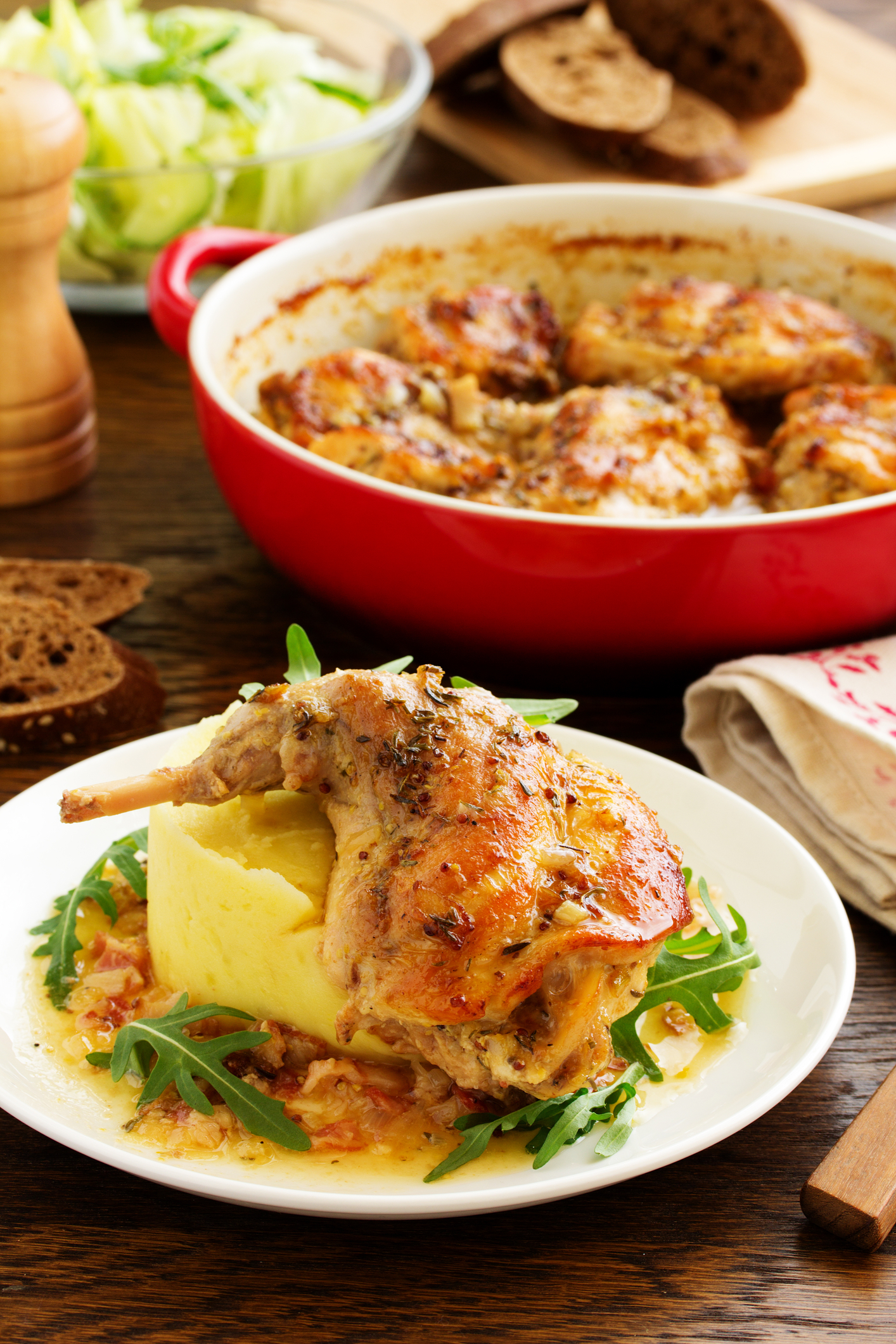
These mashed potatoes work with anything that has a sauce. Pan-seared chicken with pan gravy. Meatloaf with ketchup glaze. A simple roasted mushroom and thyme situation.
I once served them next to a pork chop that was slightly overcooked. The potatoes fixed the plate. They’re forgiving like that.
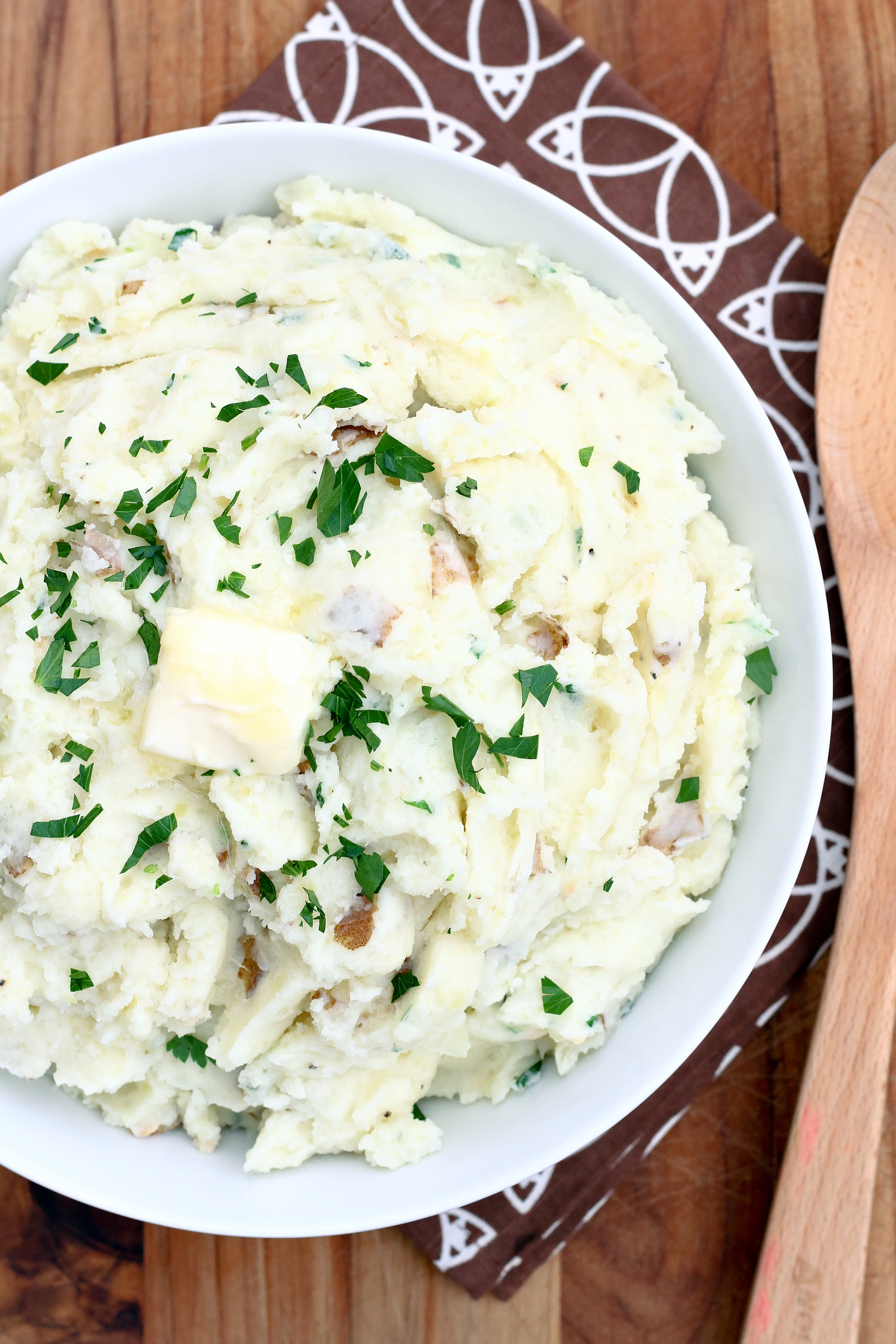
Spoon them into a wide bowl. Drizzle a little extra melted butter on top. Scatter extra parsley for color.
What would you pair it with?
Storing It Without Ruining It
Fridge in an airtight container for up to four days. They’ll firm up as they cool. That’s normal.
Reheat in a saucepan over low heat with a splash of milk or water. Stir until hot. The microwave works too, but it dries them out faster. Cover the bowl with a damp paper towel before zapping.
Freezer for up to two months. Portion them into flat bags. Thaw overnight in the fridge before reheating. They won’t be as silky as fresh, but they’re still edible.
I froze a batch once and forgot about it for four months. Tasted fine but the texture was off. Don’t push the freezer window.
Have you ever saved leftovers like this? Tell me below!
Mistakes I Made So You Don’t Have To
I once boiled the potatoes until they started falling apart. The mash came out watery and flat. Tasted like starch water. Had to start over.
I added cold butter straight from the fridge. The potatoes seized up and I had to reheat the whole pot to get it smooth again. Warm the butter a little next time.
I once used a food processor. The potatoes turned into paste. Smooth, sure—but weirdly sticky and unpleasant to eat. Never again.
Did something like this happen to you?
Can I Make These Ahead of Time?
Can I make mashed potatoes the day before? Yes. Make them, cool them, cover and refrigerate. Reheat with a splash of milk and a pat of butter. They won’t be exactly the same but close enough for a holiday dinner.
Why did my mashed potatoes turn gluey? You overworked the starch. Use a masher, not a mixer. Stop as soon as they’re smooth. But if you’ve already done it, stir in a little warm cream and pretend it was intentional.
Can I use skim milk? You can. But it won’t be as creamy. The fat content matters here. Whole milk or half-and-half performs better. I tried skim once and it tasted watery. Never again.
How do I keep mashed potatoes warm for a dinner party? Put them in a slow cooker on the warm setting. Stir every twenty minutes. And add a splash of milk if they start drying out. I’ve done this for Thanksgiving. Works fine.
Can I leave the skins on? If you use Yukon Golds and scrub them well, yes. Russet skins are tough. I leave them on sometimes for texture, but I warn people first. Not everyone’s into it.
What’s the best potato for mashed potatoes? Russets for fluffiness. Yukon Golds for buttery flavor. Red potatoes if you want them chunky and rustic. Don’t use waxy new potatoes. They won’t mash right and you’ll be disappointed. Which answer helped you most?
One Last Thing
I didn’t rinse the potatoes after peeling. Some recipes say to do that to remove excess starch. I’ve tried it both ways and never noticed a difference worth the extra step.
Do what you want with that information.
The parsley gives this version a little more life than plain mashed potatoes. It’s not necessary. But it’s nice. And it takes almost no effort.
I like things that give me something without asking for much.
These are those.
They aren’t showy. They aren’t complicated. They’re just good, straightforward mashed potatoes that taste like butter and potato and a little bit of green.
Will you make this soon?
Happy cooking! —Danielle Monroe
Fun fact: Parsley is actually a biennial plant, meaning it takes two years to complete its life cycle. Most people treat it as an annual and replant each spring. It’s also surprisingly high in vitamin C—more, gram for gram, than many citrus fruits.
Creamy Buttery Mashed Potatoes with Fresh Parsley
Ingredients
- 2 lbs russet potatoes, peeled and quartered
- 4 tablespoons unsalted butter
- ½ cup whole milk, warmed
- ¼ cup fresh parsley, finely chopped
- Salt to taste
- Black pepper to taste
Instructions
- 1Fill a large pot with cold salted water and add quartered potatoes.
- 2Bring to a boil over high heat and cook for 15-20 minutes until potatoes are fork-tender.
- 3Drain potatoes thoroughly in a colander.
- 4Return drained potatoes to the pot.
- 5Add butter and warmed milk to the hot potatoes.
- 6Mash until smooth and creamy, adjusting milk as needed for desired consistency.
- 7Stir in fresh parsley.
- 8Season with salt and black pepper to taste.
- 9Transfer to a serving bowl and serve immediately.
Notes
See full recipe for nutritional information.